In Northern Kenya, the desert becomes a meeting place.
Desert festivals in Turkana and the Chalbi Desert are large-scale cultural assemblies that combine celebration, trade, storytelling, sport, ritual, and social negotiation. They take place in open desert landscapes and lakeside settlements, drawing together nomadic and semi-nomadic communities from across Northern Kenya.
This experience centers around timed travel to coincide with major festivals and seasonal gatherings, most notably the Lake Turkana Cultural Festival (Tobong’u Lore) in Loiyangalani, as well as smaller, less formal desert gatherings across the Chalbi region.
This experience invites you into those moments when the desert fills with color, music, movement, and meaning.
Where the Experience Takes Place
Loiyangalani – Lake Turkana
A remote desert town on the southeastern shore of Lake Turkana, surrounded by volcanic hills and black lava rock. During festival periods, Loiyangalani transforms from a quiet settlement into a dense cultural hub hosting thousands of participants.
Chalbi Desert Region
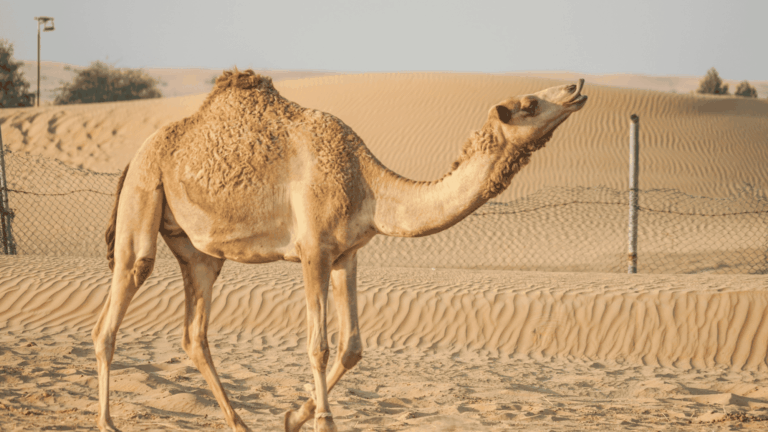
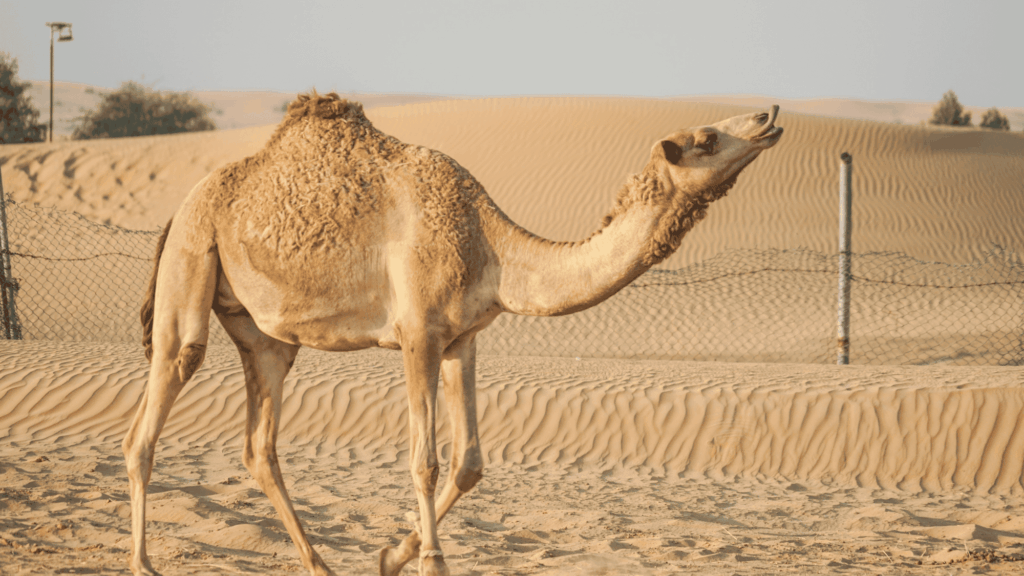
A vast, arid landscape of sand, volcanic stone, and salt flats stretching between Marsabit, North Horr, and the Ethiopian border. Seasonal gatherings occur near water sources, grazing routes, and traditional meeting points.
The Communities You Encounter
Festivals and gatherings bring together multiple indigenous groups, commonly including:
- Turkana
- Rendille
- Samburu
- Gabra
- Borana
- Dassanech
- El Molo
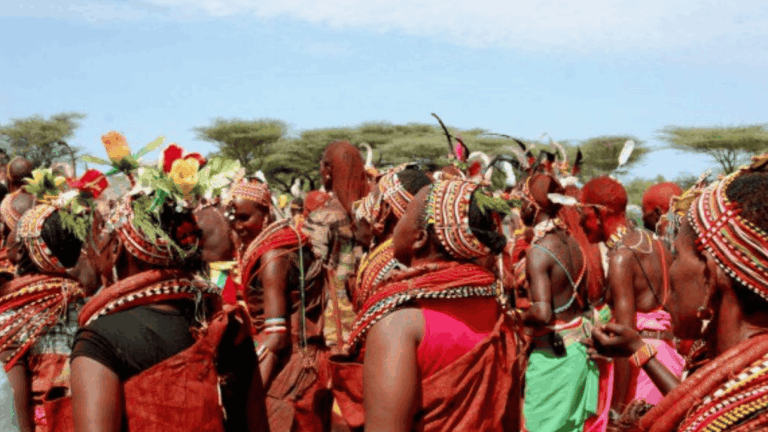
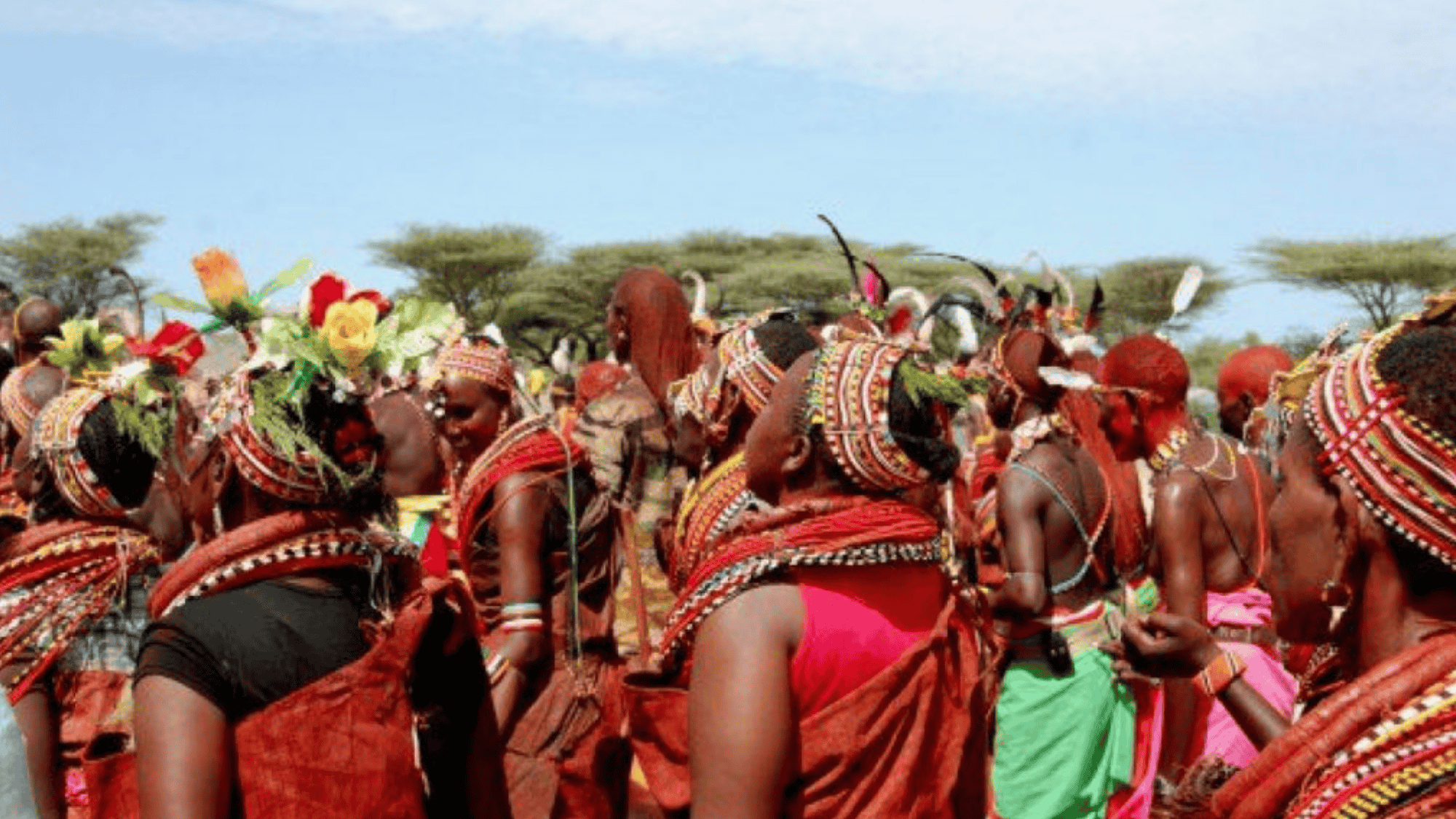
Each community arrives with its own language, music, dress, movement style, and social customs. The experience is a convergence of identities in one shared space.
What Happens During a Festival Day
Arrival & Assembly
From early morning, groups arrive from different directions, often after days of travel. Some come on foot, others by motorbike, trucks, or camel caravans. Livestock is brought along — goats, camels, cattle — as both status symbols and trade assets.
Temporary camps form around the festival area. Fires are lit. Instruments are unpacked. Dancers prepare.
Dance, Music & Performance
Dance is constant and decentralized. There is no fixed schedule and no single stage.
You experience:
- Jumping dances that display strength, endurance, and age-set identity
- Shoulder and chest-driven movements are performed in tight formation.
- Call-and-response chants led by vocal leaders.
- Percussion using drums, metal anklets, sticks, and clapping.
Some dances are competitive, others celebratory. Crowds move fluidly between circles, gathering and dispersing throughout the day.
Cultural Exchange & Trade
Festivals double as economic and social exchange points.
You will see:
- Beadwork, ornaments, and ceremonial items for sale or trade
- Livestock negotiations and price discussions
- Informal markets selling food, tools, and household goods
Artisans often explain the meaning behind colors, patterns, and materials — bead arrangements can signify marital status, clan affiliation, or life stage.
Storytelling, Elders & Ritual
Elders hold a visible role. They lead:
- Storytelling circles recounting migration histories and ancestral events
- Conflict resolution discussions between communities
- Blessings and ceremonial acknowledgments
These moments are quieter but deeply significant. People gather closely, listening attentively, often sitting directly on the ground.
Food & Daily Life During the Festival
Food is prepared continuously throughout the day:
- Meat roasted over open fires
- Milk served fresh or fermented
- Tea brewed repeatedly and shared communally
Meals are informal and social. Eating happens alongside conversation, observation, and movement. Children move freely through the crowd. Music continues late into the evening.
The Chalbi Desert Gatherings
Outside major festivals, smaller gatherings occur across the Chalbi Desert. These are less structured and more intimate. You experience:
- Community meetings tied to grazing cycles
- Livestock trading near water points
- Spontaneous music and dance without formal announcement
- Long evenings around shared fires
These gatherings offer closer interaction and slower pacing, with more opportunity for conversation and observation.
The Physical & Emotional Experience
This experience is immersive and demanding in a good way.
You feel:
- Heat during the day, followed by sharp cooling at night
- Dust underfoot and wind across open ground
- The physical intensity of constant movement and sound
- The emotional charge of being surrounded by living culture
The thrill comes from scale, unpredictability, and proximity — you are inside the event, not watching from a distance.
Travel Style & Logistics
- Travel involves long road journeys and/or light aircraft
- Accommodations include remote lodges and tented camps
- Days are long, active, and unscripted
- Evenings are quiet, grounded, and deeply atmospheric
Comfort is balanced with authenticity and access.
Who This Experience Is Best For
This experience suits travelers who:
- Want cultural depth, not surface encounters
- Enjoy dynamic, crowded, high-energy environments
- Are curious, observant, and patient
- Appreciate experiences shaped by people rather than schedules
It is especially rewarding for photographers, researchers, creatives, educators, and culturally curious travelers.
The Lasting Impact
Desert festivals and gatherings are moments when Northern Kenya’s cultures fully reveal themselves — through movement, sound, negotiation, celebration, and presence.
You leave with:
- A lived understanding of desert societies
- A sense of how culture adapts to extreme environments
- Powerful visual and sensory memories
- A deeper respect for communal life shaped by land and tradition
This is not a single event.
It is a convergence of people, place, and time.