The Feeling
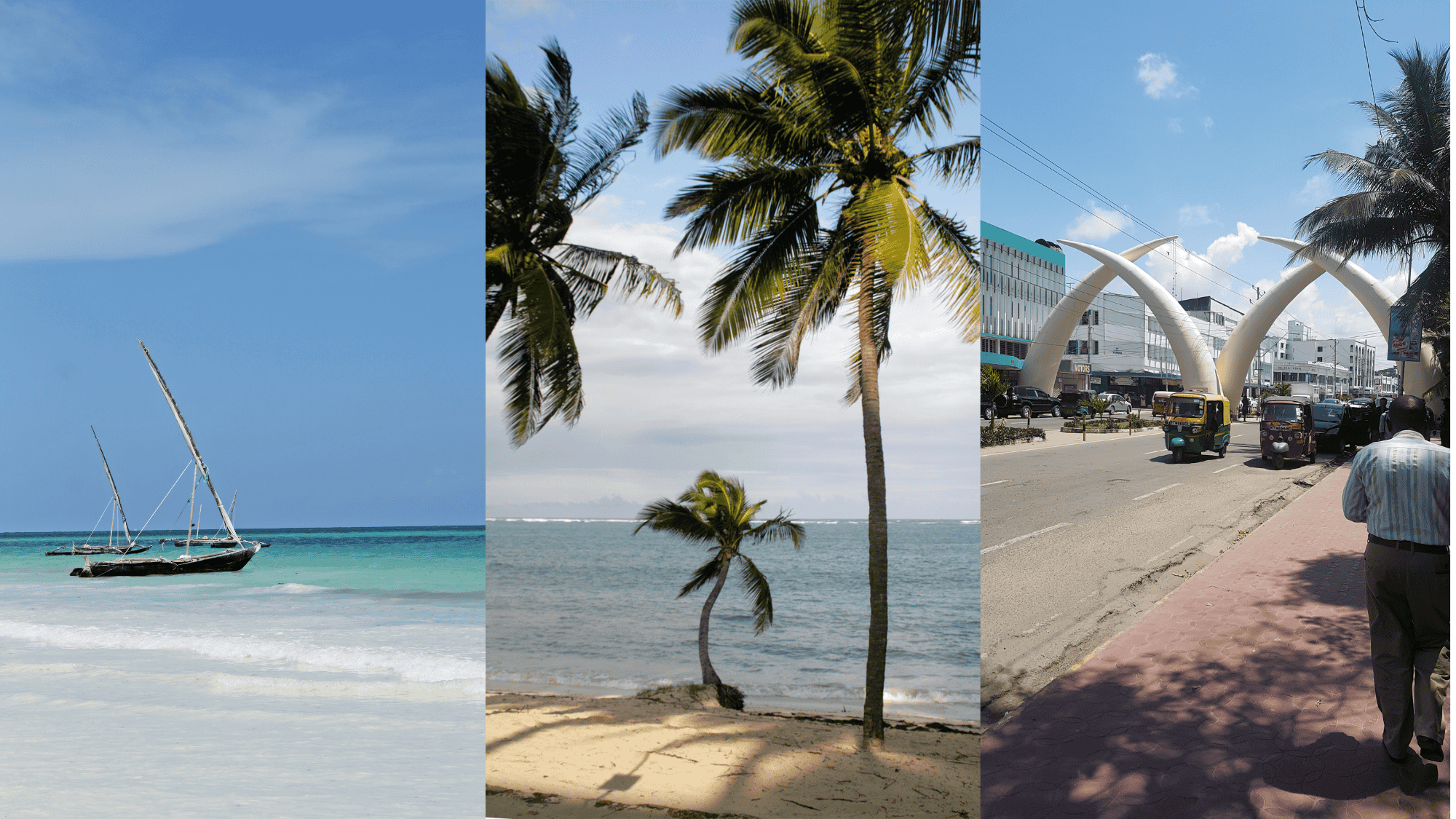
The coast moves differently.
and the pulse of the Indian Ocean, Swahili culture defines the rhythm of life.
Everything feels warmer, looser—a world more fluid.
EXPERIENCES ALONG THE COAST
Wind-driven travel along ancient routes
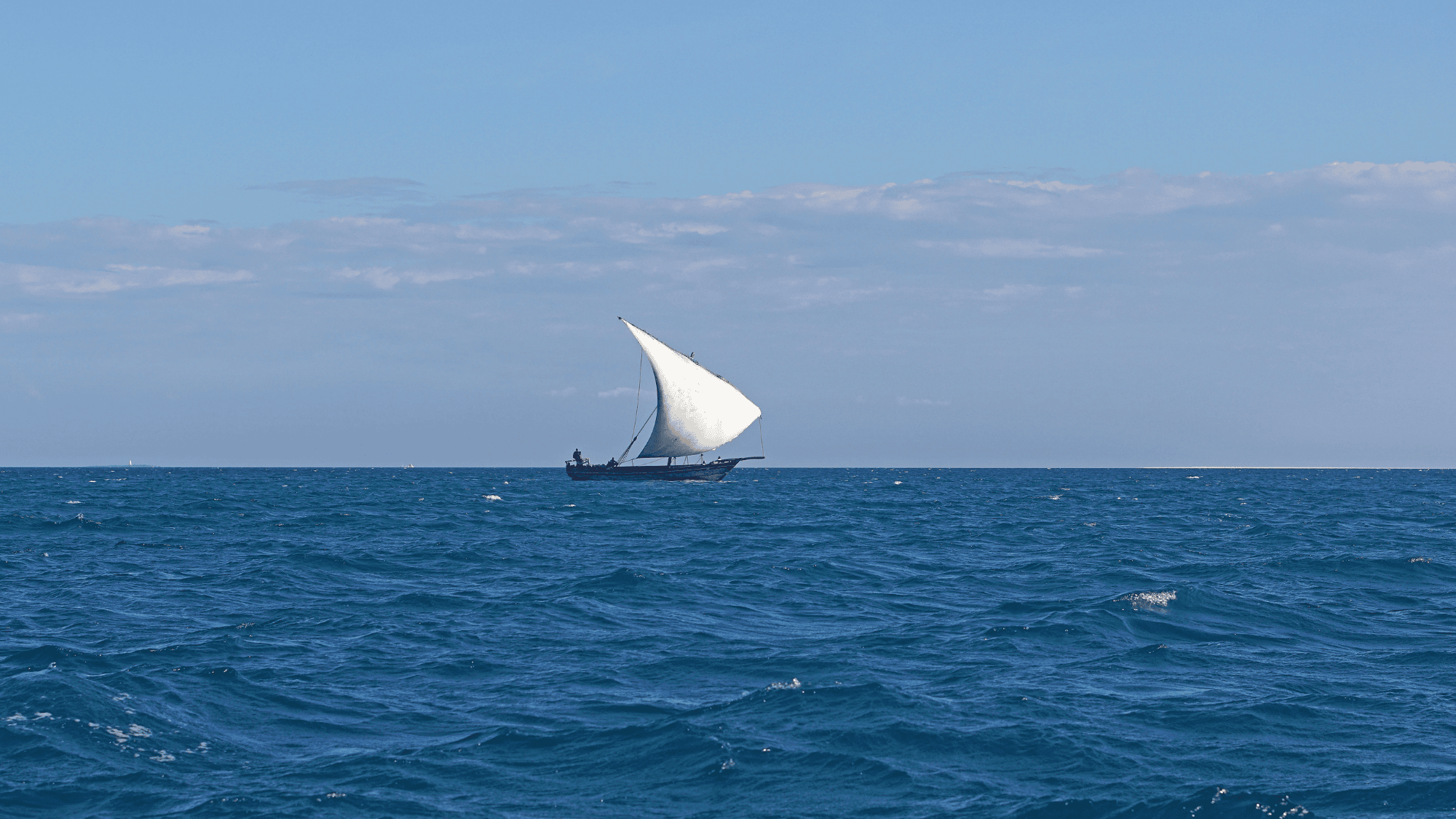
Dhows are traditional wooden sailing boats that have moved people and goods along the Swahili coast for generations. Sailing is quiet and unhurried, guided by wind rather than engine.
You glide along the coast or into creeks as sails catch the breeze. Water laps against the hull, and the shoreline unfolds slowly. Crews explain navigation, tides, and the enduring relevance of these boats.
The experience is meditative — a reminder of travel shaped by patience and knowledge rather than speed.
Daily life shaped by tides and seasons
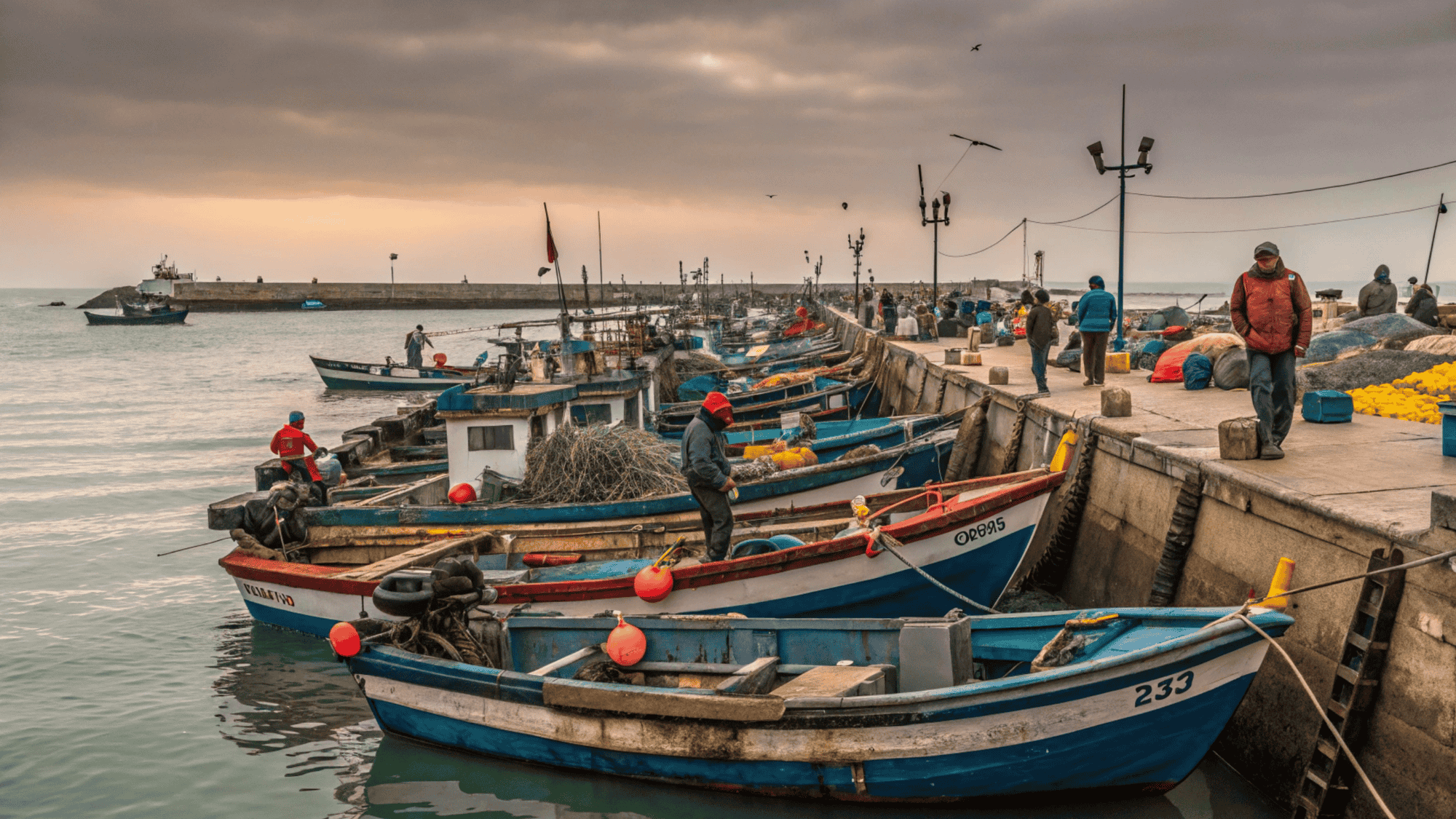
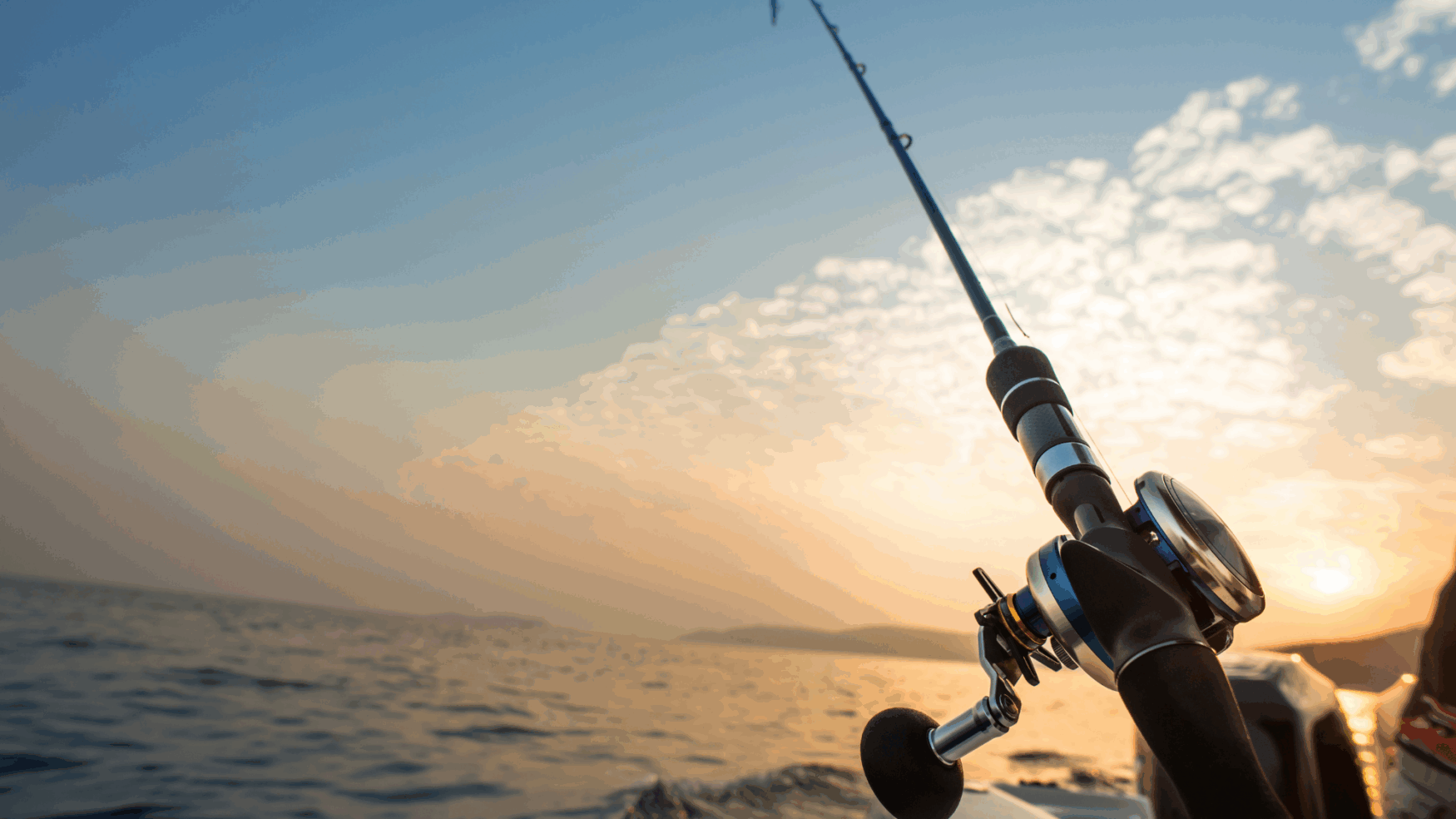
Along the coast, fishing villages wake early. Boats are pushed into the water before sunrise, nets are cast with practiced timing, and the shoreline slowly fills with return and exchange.
You observe fishermen preparing gear, sorting catch, and negotiating sales as boats return with the tide. Conversations revolve around weather, currents, and seasonal abundance. Women clean, dry, and trade fish nearby, while children move freely between boats and shore.
The experience is observational and grounded — offering insight into how coastal livelihoods remain closely tied to the sea.
Rest, movement, and open space
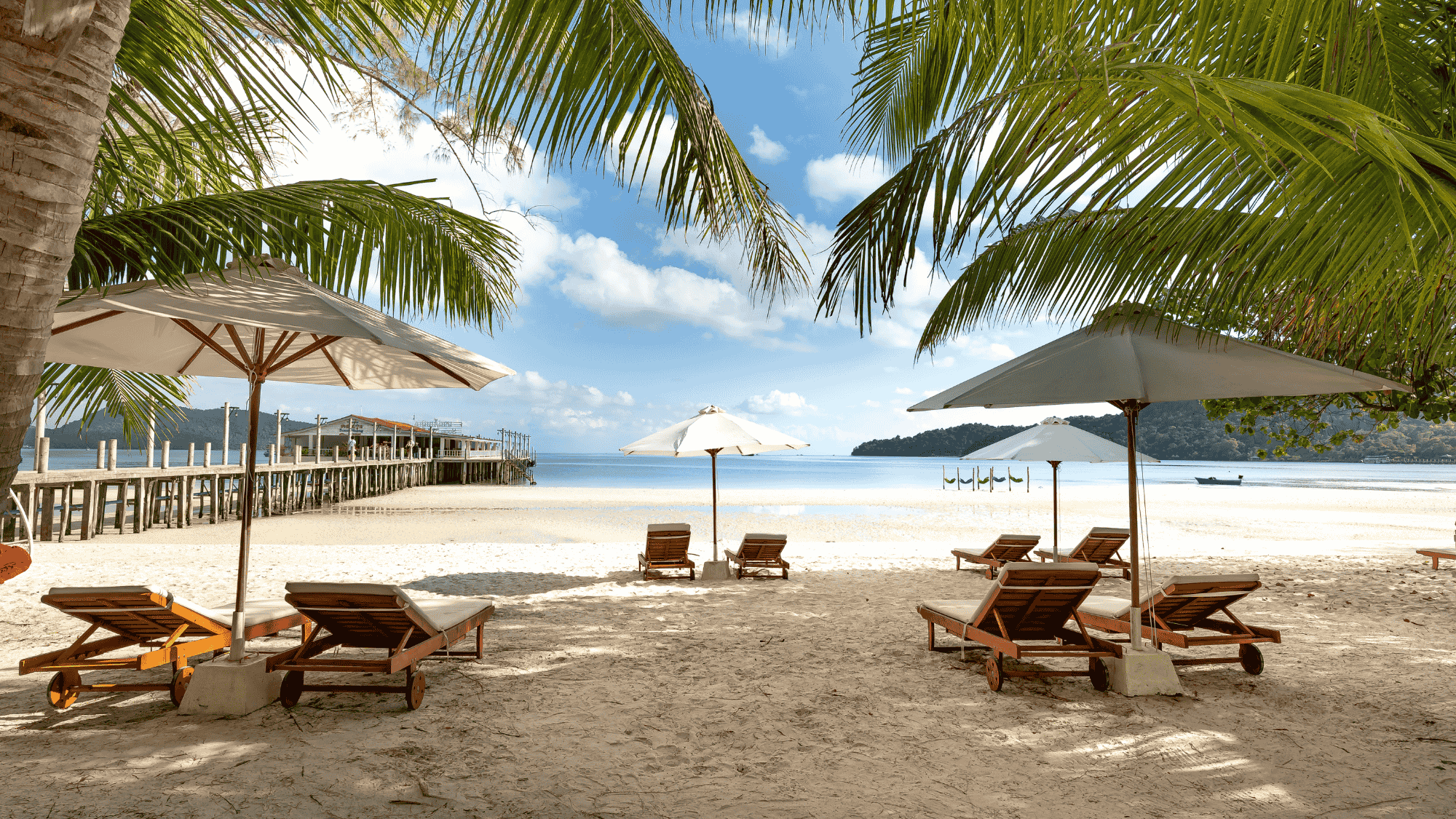
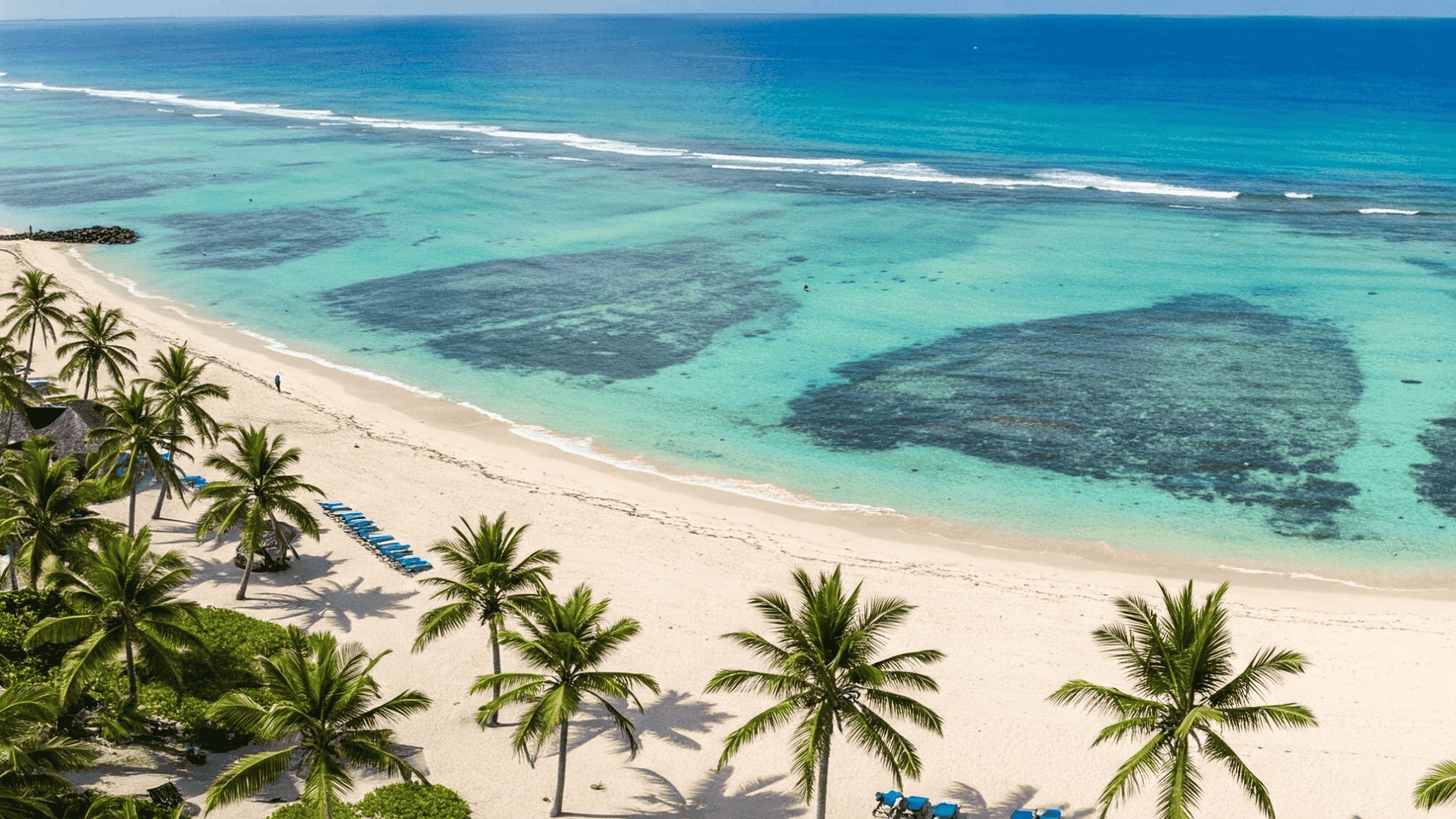
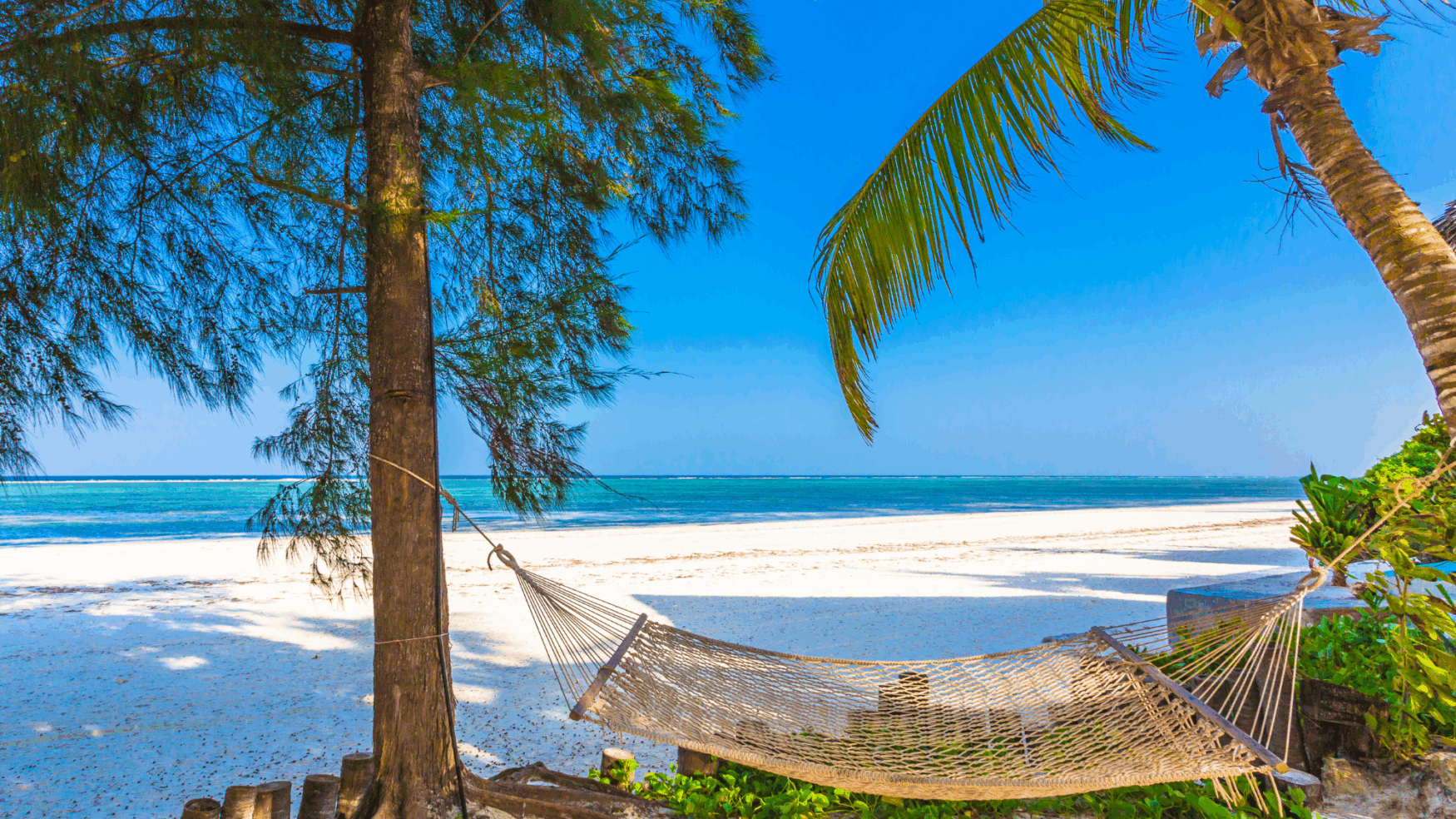
Diani and Watamu offer long, uncrowded beaches where time loosens its grip. The sand is wide and white, the water warm and clear, and the horizon uninterrupted.
Beach time here is unstructured:
- Swimming and wading at changing tides
- Walking long stretches of open shore
- Resting beneath palms as light shifts
The simplicity is the point. This is space to slow down, breathe, and reconnect with natural rhythm.
Carved doors, coral stone, and living tradition
In Lamu, culture is built into walls and streets. Narrow alleys wind between coral stone houses, carved wooden doors, and inner courtyards designed for shade and privacy.
Walking through the old town reveals:
- Hand-carved doors marked by lineage and status
- Mosques and courtyards shaped by centuries of trade
- A culture influenced by Africa, Arabia, and the Indian Ocean
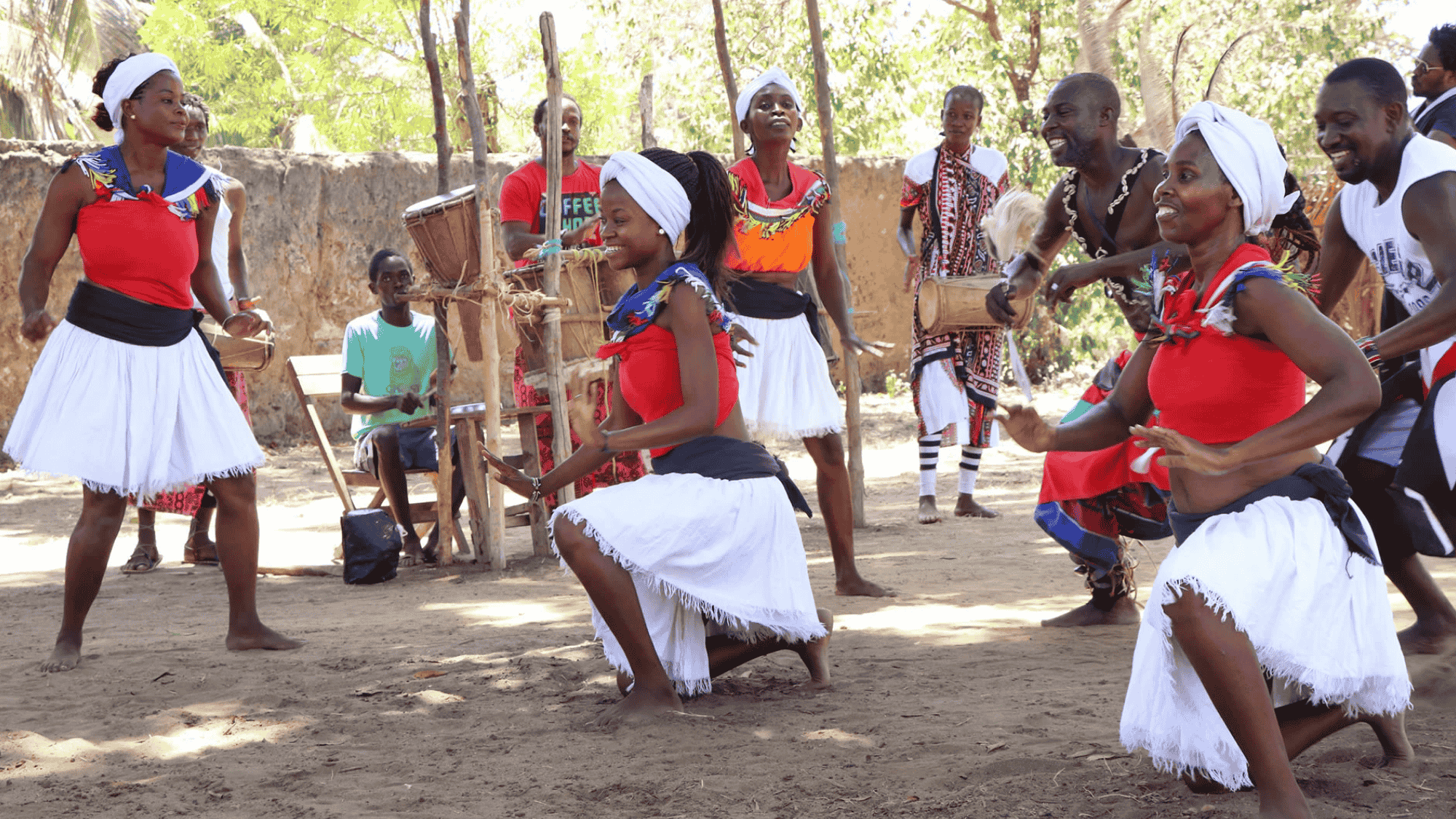
This is not a museum experience. People live here. Tradition is active, evolving, and visible in daily life.
WHY THE COAST WITH KAMAWE
Experiences are guided, contextual, and never intrusive. The coast deserves reverence, not rush.