Cultural immersion in Turkana and the Chalbi Desert is a slow, deliberate experience shaped by daily life in one of the world’s most demanding environments. This journey focuses on time spent within communities, learning how people live, adapt, govern themselves, and sustain culture where resources are scarce, and resilience is essential.
Rather than large gatherings, this experience centers on intimate interaction, observation, and participation in everyday routines that reveal how culture functions as a survival system.
Where the Experience Takes Place
Remote Settlements & Homesteads
Cultural immersion takes place in small settlements and family homesteads across Turkana County, Marsabit County, and the Chalbi Desert region. Locations are selected based on community willingness, seasonal conditions, and access.
Desert & Semi-Arid Landscapes
Villages are often spread out, shaped by access to water, grazing routes, and shelter from wind and heat. The land is not a backdrop — it actively determines how life is organized.
The Communities You Engage With
Depending on timing and location, travelers may spend time with:
- Turkana
- Rendille
- Gabra
- Samburu
- Borana
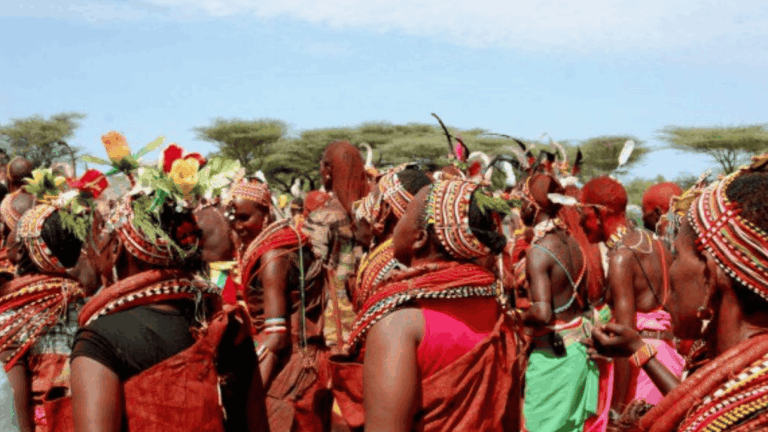
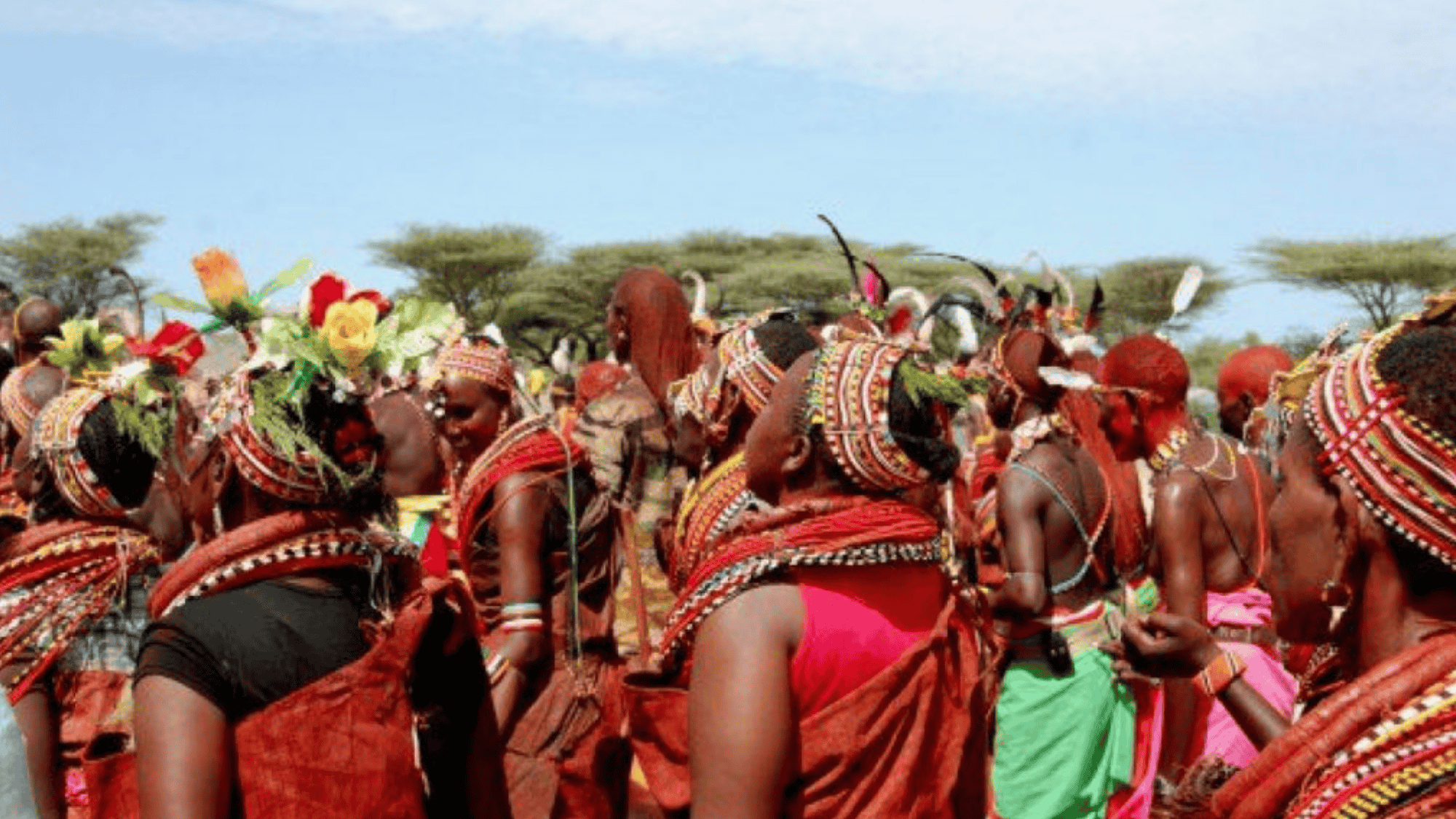
Each community has its own social structure, leadership systems, dress, language, and daily rhythms. Cultural immersion allows you to see these differences not as exhibits, but as lived reality.
What a Typical Day Looks Like
Morning: Daily Life Begins Early
Days begin shortly after sunrise. Livestock is checked, released for grazing, or prepared for movement. Water containers are filled. Fires are relit for tea.
You may:
- Walk with herders as they guide animals toward grazing areas
- Observe or assist with basic tasks such as fetching water or preparing morning tea
- Learn how families assess weather, livestock condition, and movement plans
Conversation unfolds naturally, often through guides and translators, but much is communicated through observation and gesture.
Midday: Skills, Knowledge & Survival Systems
As the day warms, activities slow and shift.
You experience:
- Demonstrations of traditional tools and household items
- Explanations of how shelters are built to manage heat and wind
- Discussions about water sourcing, drought cycles, and migration routes
- Learning how food is preserved, shared, and prioritized
Elders often take time to explain how knowledge is passed orally — through stories, proverbs, and repeated practice.
Afternoon: Social Structure & Cultural Meaning
Afternoons are ideal for deeper conversation.
You may sit with elders, women’s groups, or youth as they discuss:
- Family and clan relationships
- Marriage customs and age-set systems
- Roles of men, women, and children
- Conflict resolution and decision-making
These conversations offer insight into how culture organizes responsibility, identity, and cooperation in challenging conditions.
Evening: Shared Meals & Storytelling
As temperatures cool, people gather closer.
Food is prepared slowly and communally:
- Milk served fresh or fermented
- Simple meals cooked over open fires
- Tea shared repeatedly
Evenings often include storytelling — personal memories, ancestral journeys, or lessons tied to the land. Silence is common and comfortable.
Cultural Participation & Respect
Participation is guided and intentional.
Travelers may:
- Assist with simple daily tasks when appropriate
- Learn basic greetings or phrases
- Observe ceremonies or family rituals if invited
Not everything is participatory. Observation itself is considered a form of respect.
The Physical & Emotional Experience
This experience is quieter, but deeply grounding:
- The pace of life slows to match the environment
- The weight of heat, distance, and scarcity
- The emotional depth of being welcomed into private spaces
- A growing awareness of how culture supports survival
The adventure here is human connection and understanding, not physical intensity.
Travel Style & Logistics
- Travel involves remote road routes and flexible schedules
- Visits are coordinated with community leaders and local guides
- Accommodations range from nearby lodges to simple camps
- Days are shaped by weather, community needs, and opportunity
Flexibility is essential.
What Travelers Should Be Prepared For:
- Long periods outdoors in heat and dust
- Simple living conditions during community visits
- Cultural norms around dress, behavior, and photography
- Listening more than speaking
Preparation, humility, and curiosity shape the experience.
Who This Experience Is Best For
This journey suits travelers who:
- Value depth over spectacle
- Are interested in anthropology, culture, and sustainability
- Enjoy quiet observation and conversation
- Want a meaningful human connection
It is especially powerful for educators, researchers, creatives, and thoughtful travelers.
The Lasting Impact
Cultural immersion in Turkana and the Chalbi Desert offers insight into how people live with the land rather than against it.
You leave with:
- A deeper understanding of resilience
- A personal connection to the communities you visited
- A reframed perspective on scarcity, cooperation, and identity
This experience stays with you long after the journey ends.