MASAI MARA
The Feeling
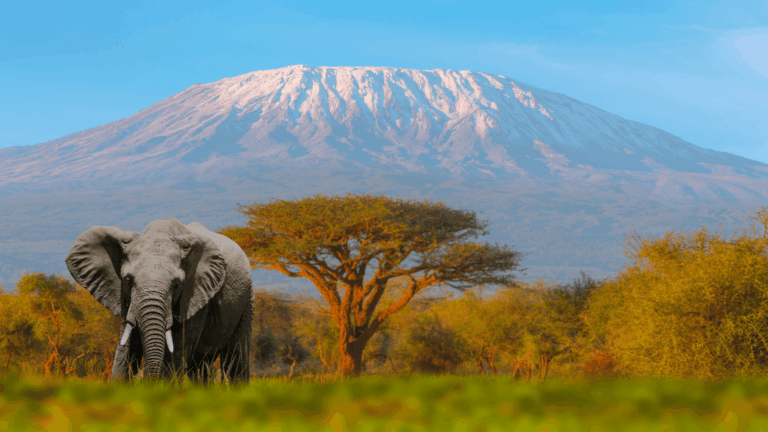
The Masai Mara is never still.
The land itself feels alive — shaped by migration, instinct, and survival.
This is one of the few places on Earth where nature still operates on its own terms.
Experiences in the Mara
Traditions shaped by land, livestock, and sky
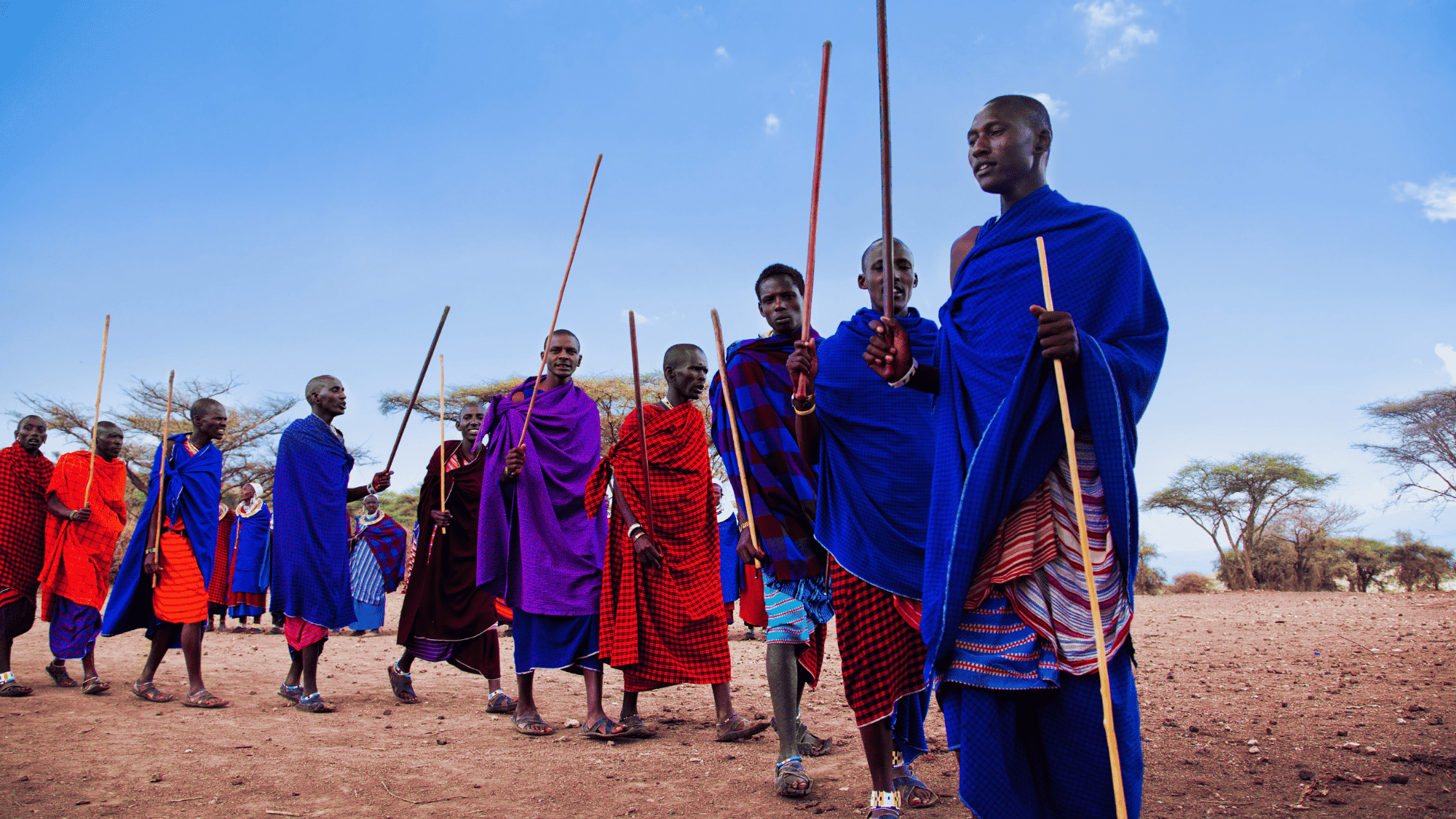
Cultural encounters in the Mara take place within Maasai communities whose lives remain closely tied to grazing land, seasonal movement, and cattle keeping. Visits are thoughtfully arranged to respect daily rhythms rather than disrupt them.
You spend time learning how livestock management, age-set systems, and oral knowledge shape social life. Attention is given to land use, changing environmental pressures, and how traditions adapt while remaining rooted in place.
These encounters offer understanding rather than performance — insight into a culture shaped by openness, movement, and long-term relationship with the land.
Seeing the Mara from first light
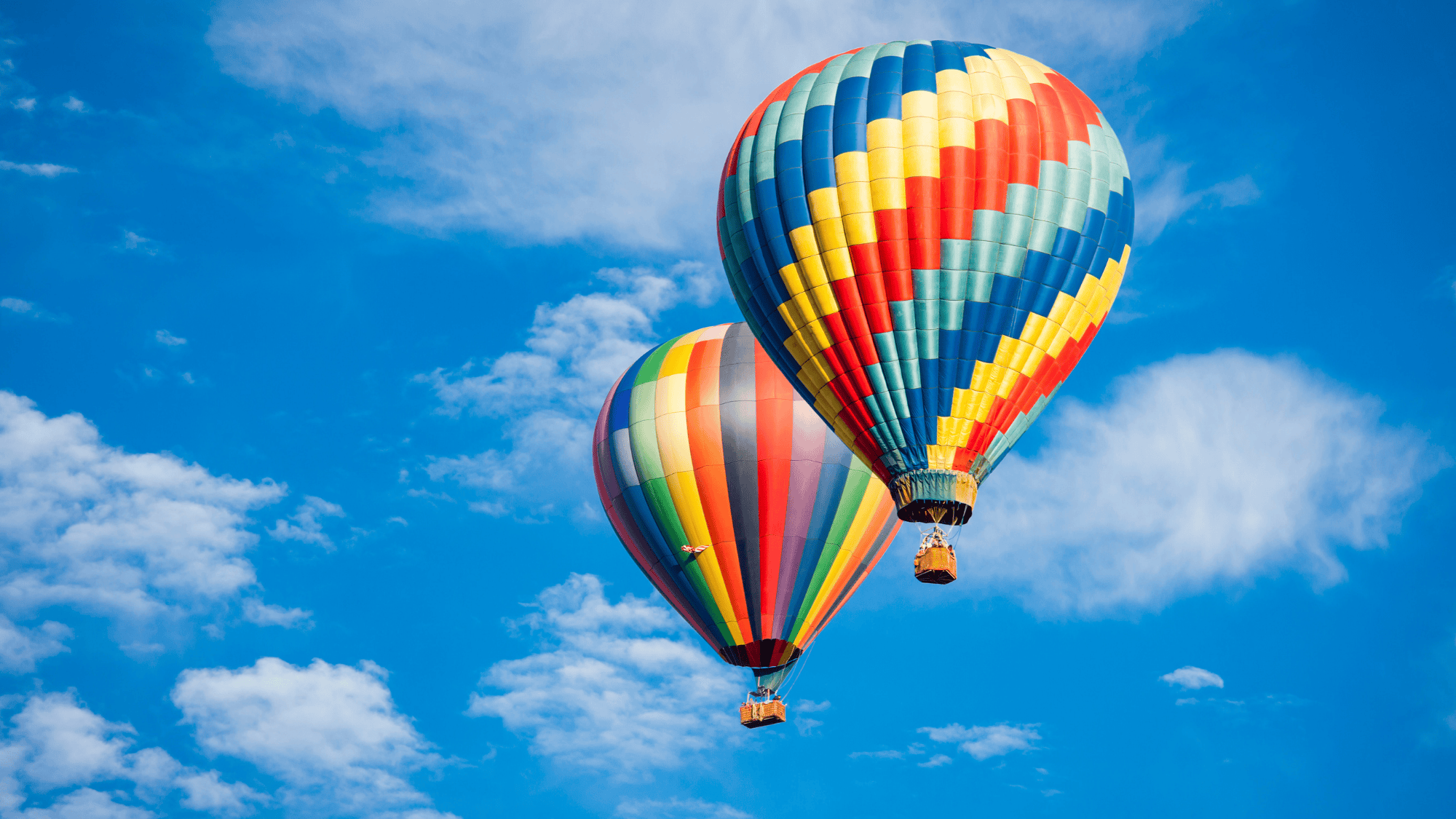
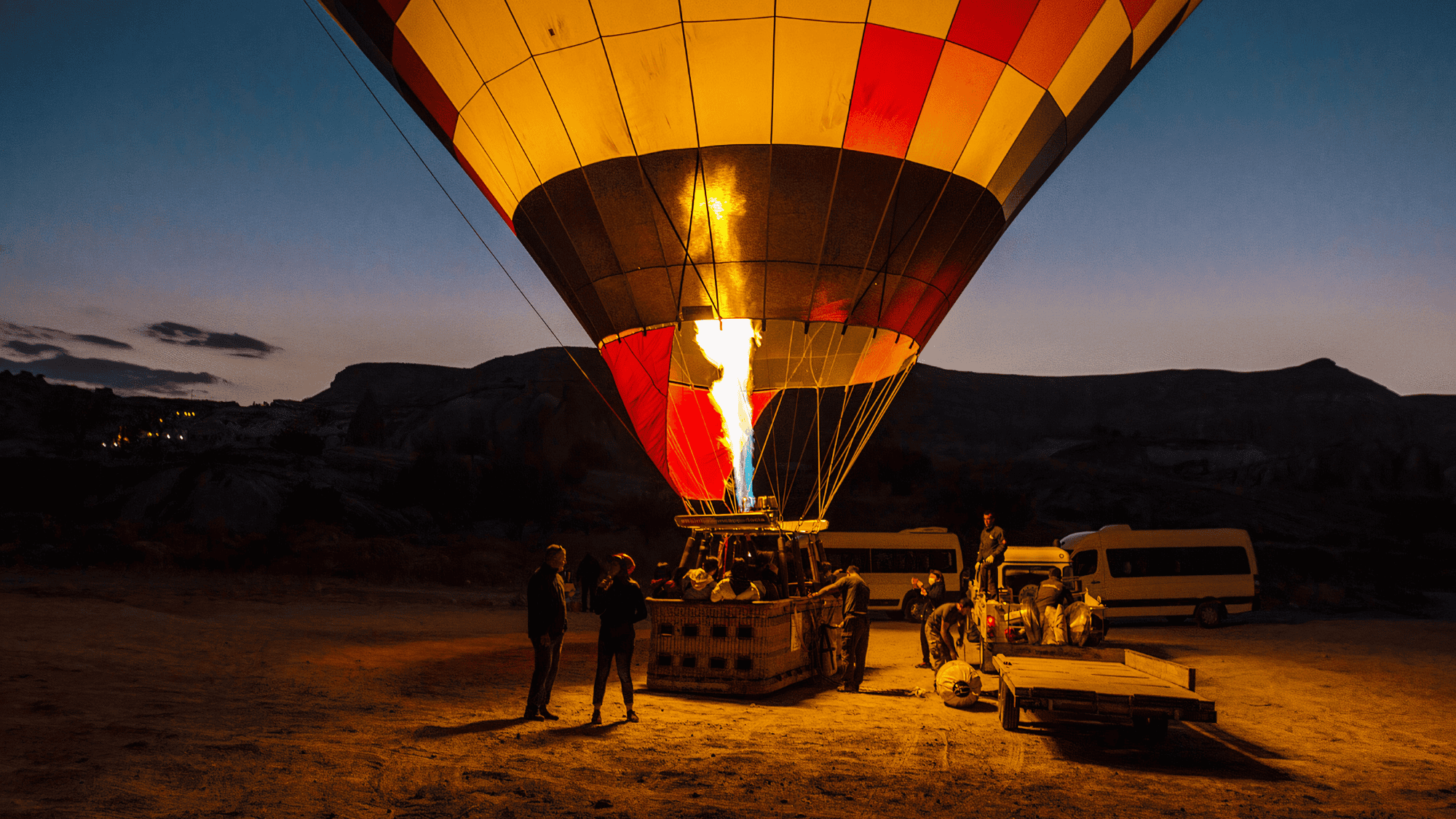
Balloon safaris begin before sunrise, lifting gently into the cool morning air as the plains come into view below. From above, the Mara reveals its true scale — winding rivers, grazing herds, and predator movement patterns become legible in a way impossible from the ground.
The experience is silent and unhurried. You drift with the wind rather than chasing sightings, watching the land wake as light spreads across the grass.
This is not about adrenaline. It is about perspective, scale, and stillness.
Wildlife interactions without obstruction
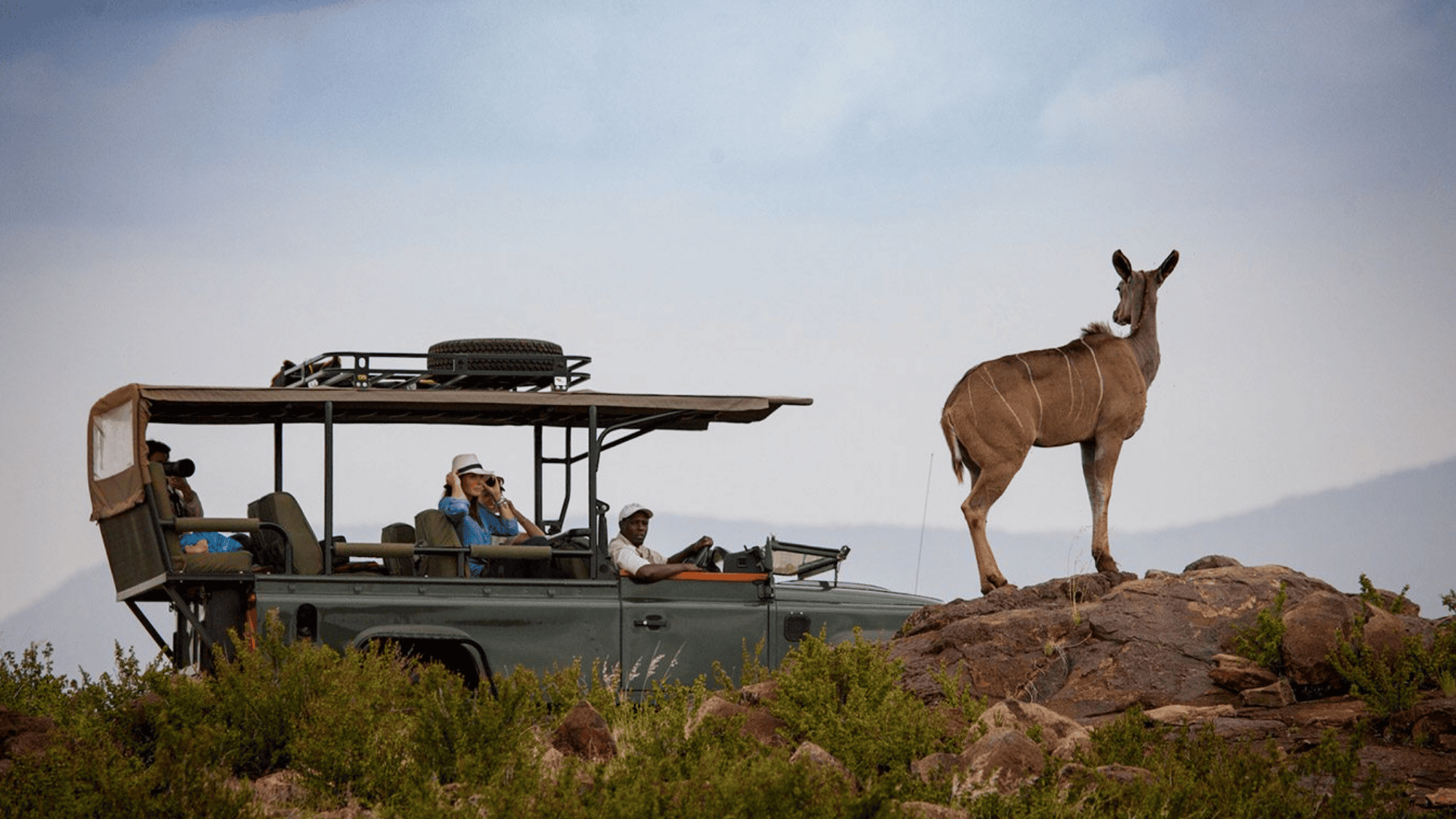
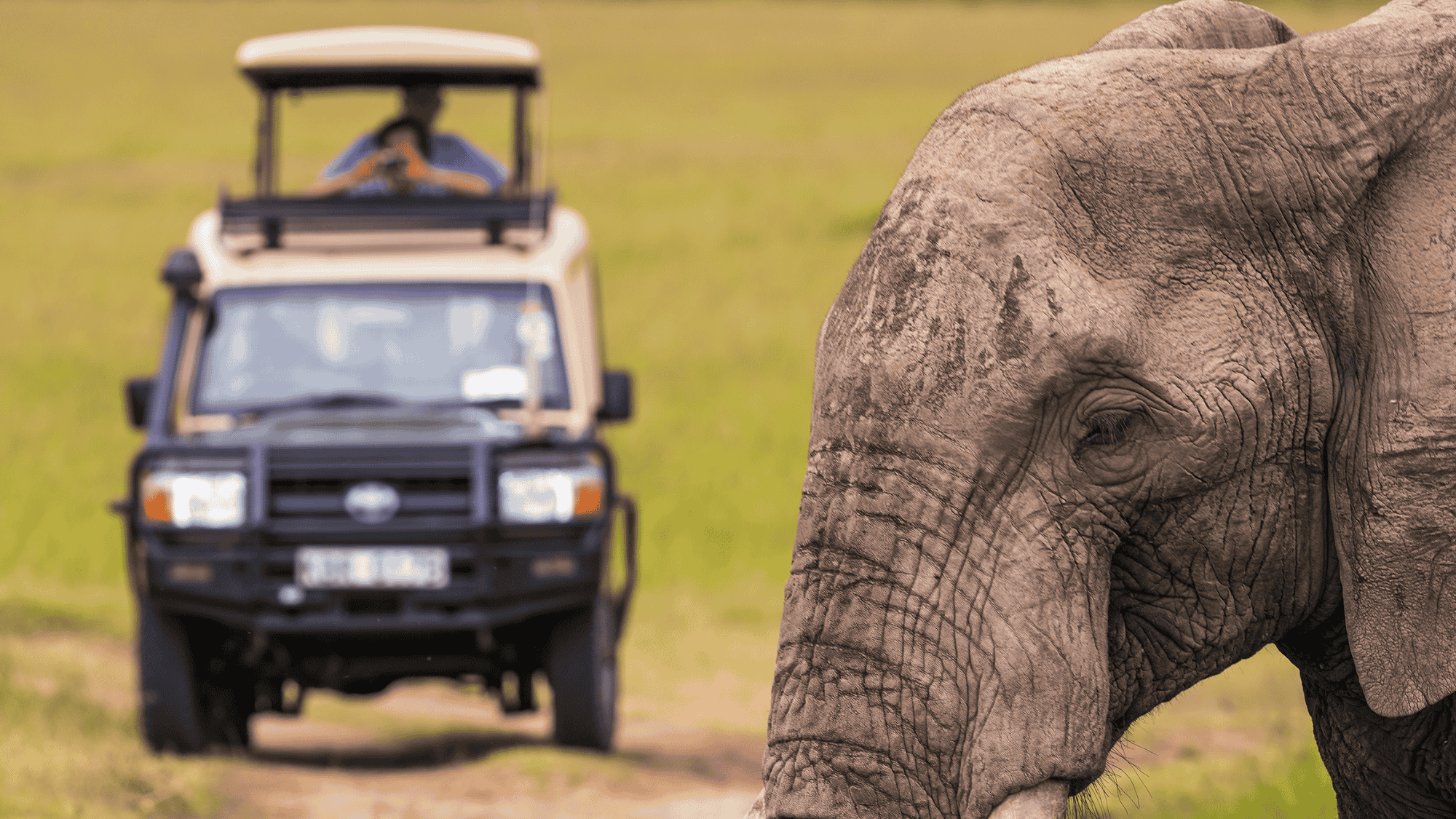
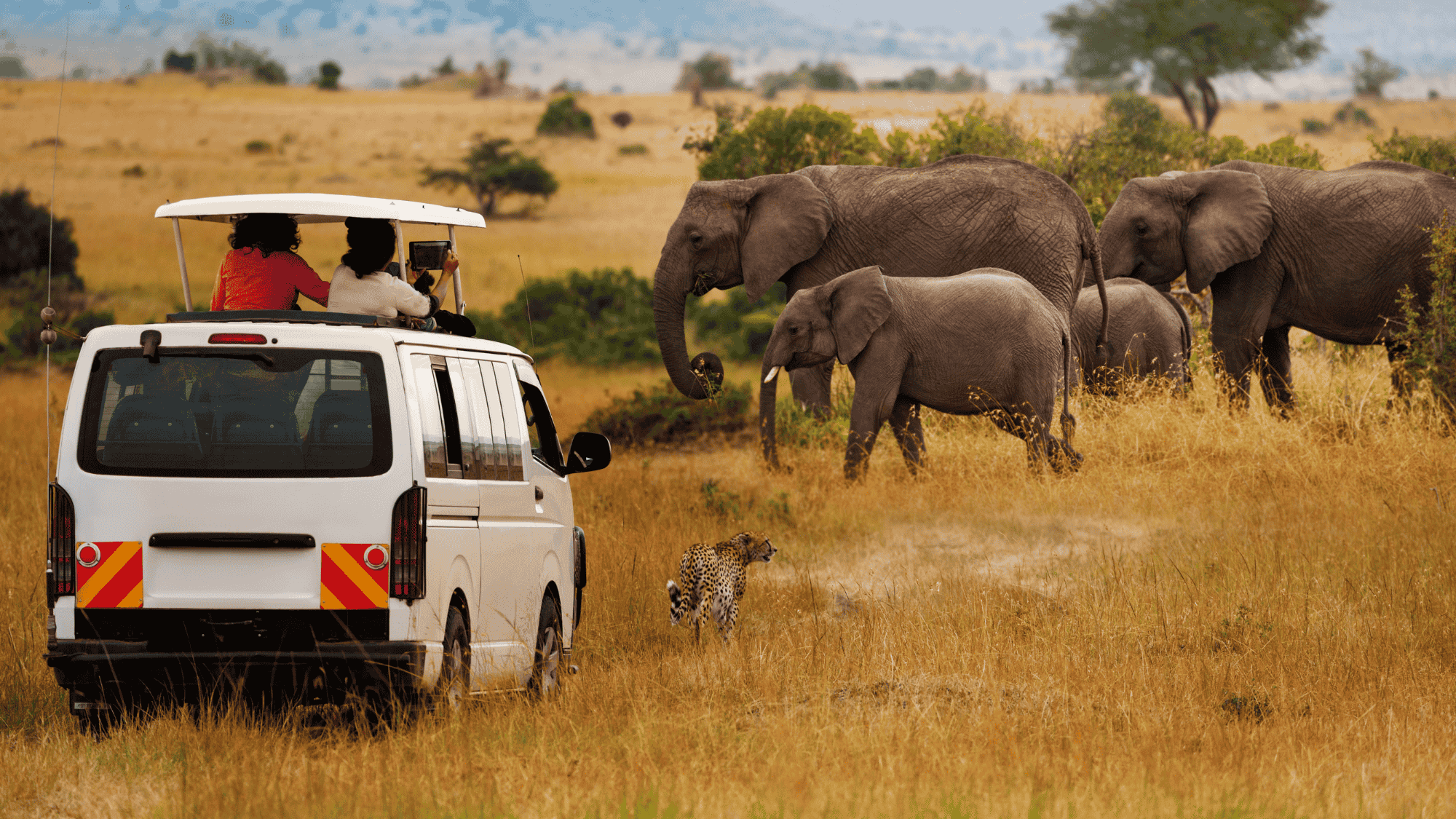
Game drives in the Mara unfold across open savannah where visibility is exceptional. Long sightlines allow you to observe wildlife behavior as it develops — hunts, movement, and interaction are seen from a distance before they are experienced up close.
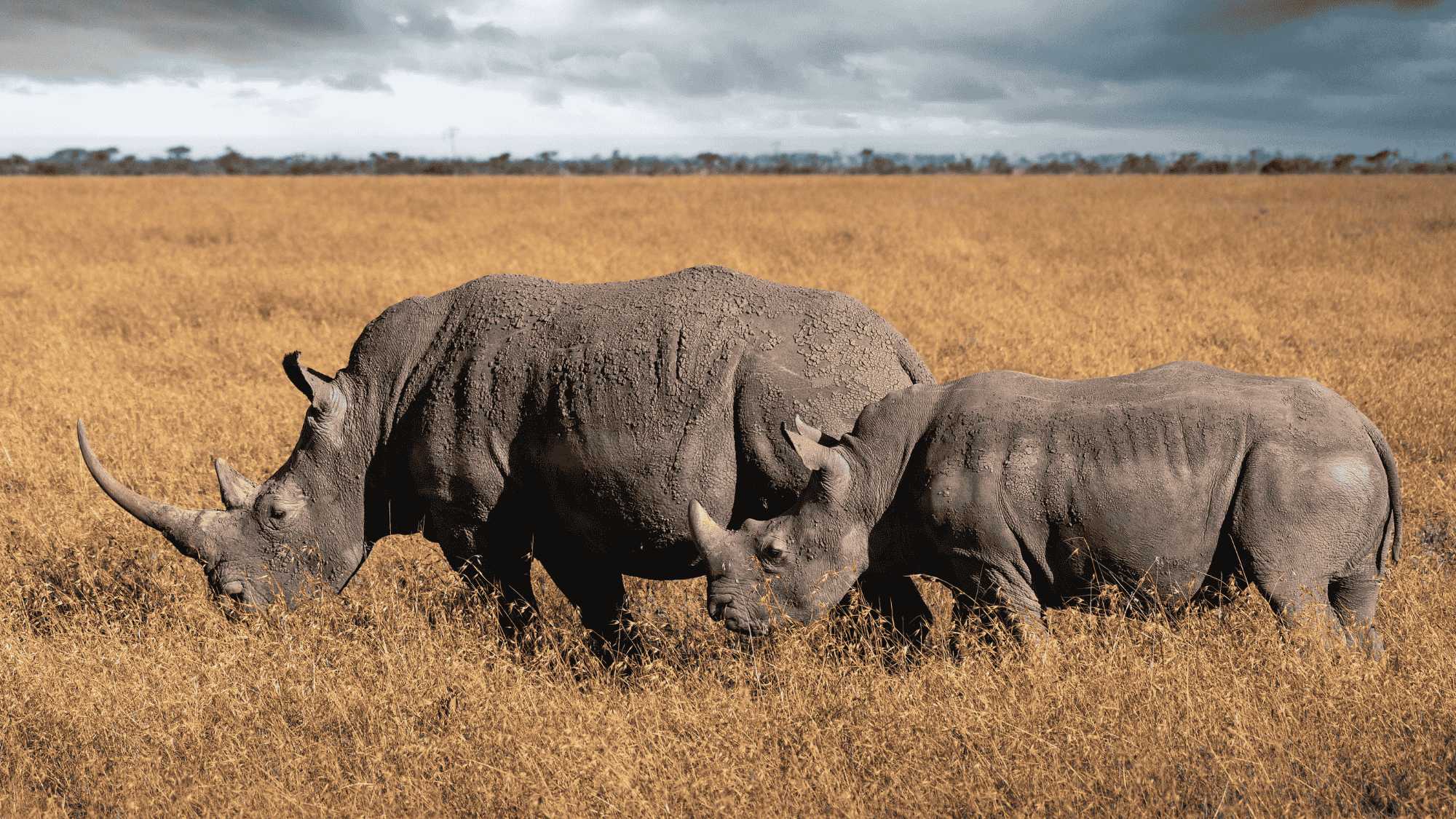
Predators, grazers, and scavengers share space visibly. Nothing feels hidden or forced. Guides focus on reading behavior and positioning rather than speed, allowing moments to build naturally.
The result is a safari experience that feels earned — shaped by awareness rather than pursuit.
An ancient movement across grass and river
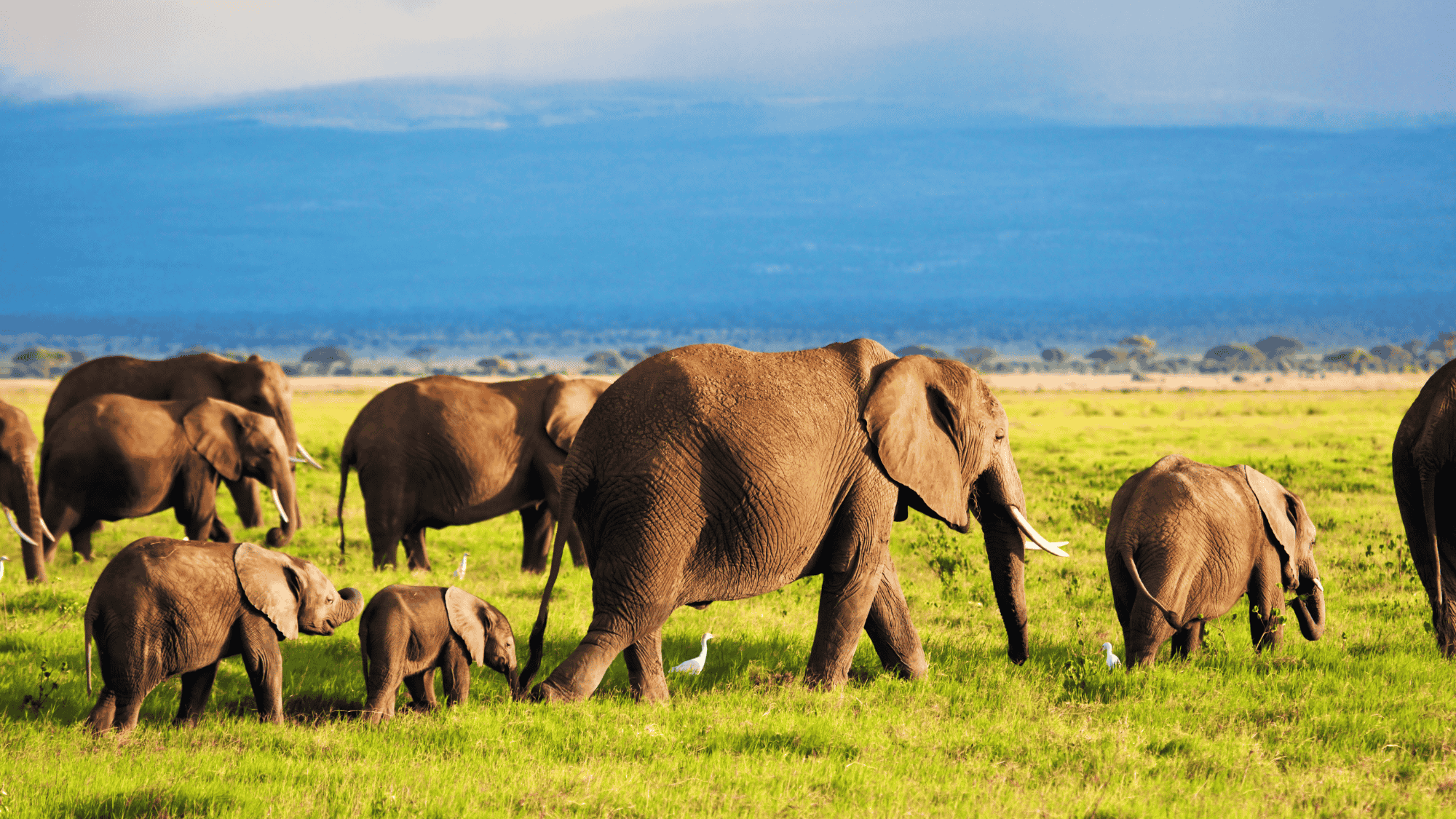
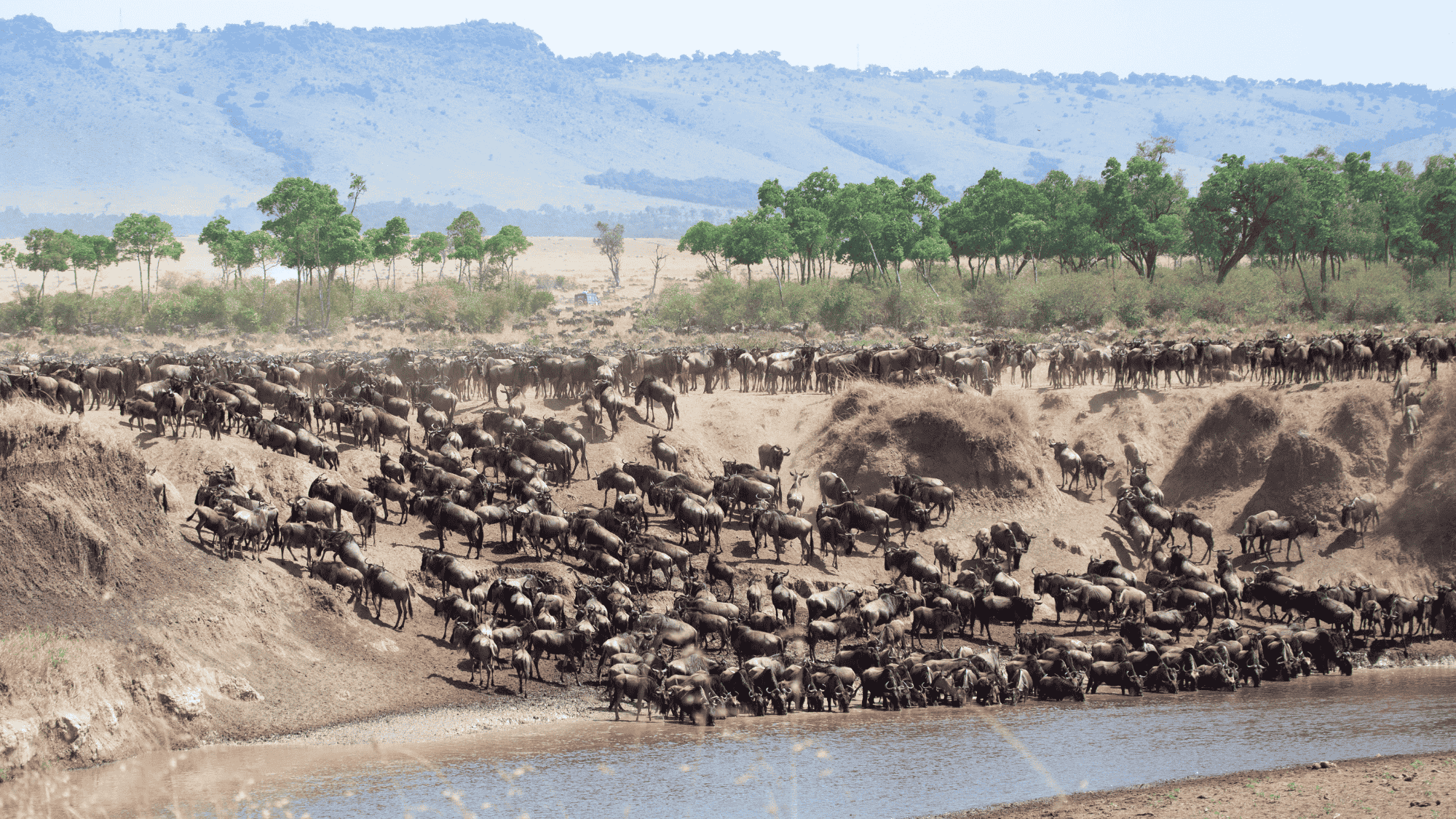
The Great Migration is a continuous cycle involving millions of wildebeest, zebra, and gazelle moving through the Mara in search of grazing and water. River crossings, predator encounters, and mass movement are part of a system older than borders or tourism.
Witnessing it places you inside a living process:
- Herds stretching beyond the horizon
- Dust rising from constant movement
- Tension building near riverbanks
- Predators responding to abundance
The scale is overwhelming, but the emotion is quieter — humility in the face of persistence and survival.
WHY MOUNT KENYA WITH KAMAWE
The Mara reveals itself through patience, watching, waiting, and allowing moments to unfold naturally.