
This destination rewards travelers who enjoy observation, patience, and movement through changing environments rather than fast-paced spectacle alone.
A protected ecosystem of flamingos, rhinos, and dramatic landscapes
Lake Nakuru National Park is a fully enclosed conservation area centered around an alkaline lake whose chemistry continuously reshapes life along its shores. The park is compact but dense with ecological variety, making it one of Kenya’s most visually and biologically concentrated safari destinations.
Where the Experience Takes Place
The park surrounds Lake Nakuru at the base of the Rift Valley escarpment. Landscapes shift quickly — from shallow lake margins and marshes to acacia woodland, open grass plains, and rocky cliffs that rise suddenly above the water.
Elevated viewpoints such as Baboon Cliff and Lion Hill overlook the lake, offering wide panoramic perspectives that reveal animal movement patterns across the plains.
What Happens During the Experience
Game drives unfold at a measured pace. Wildlife appears gradually rather than dramatically.
You encounter:
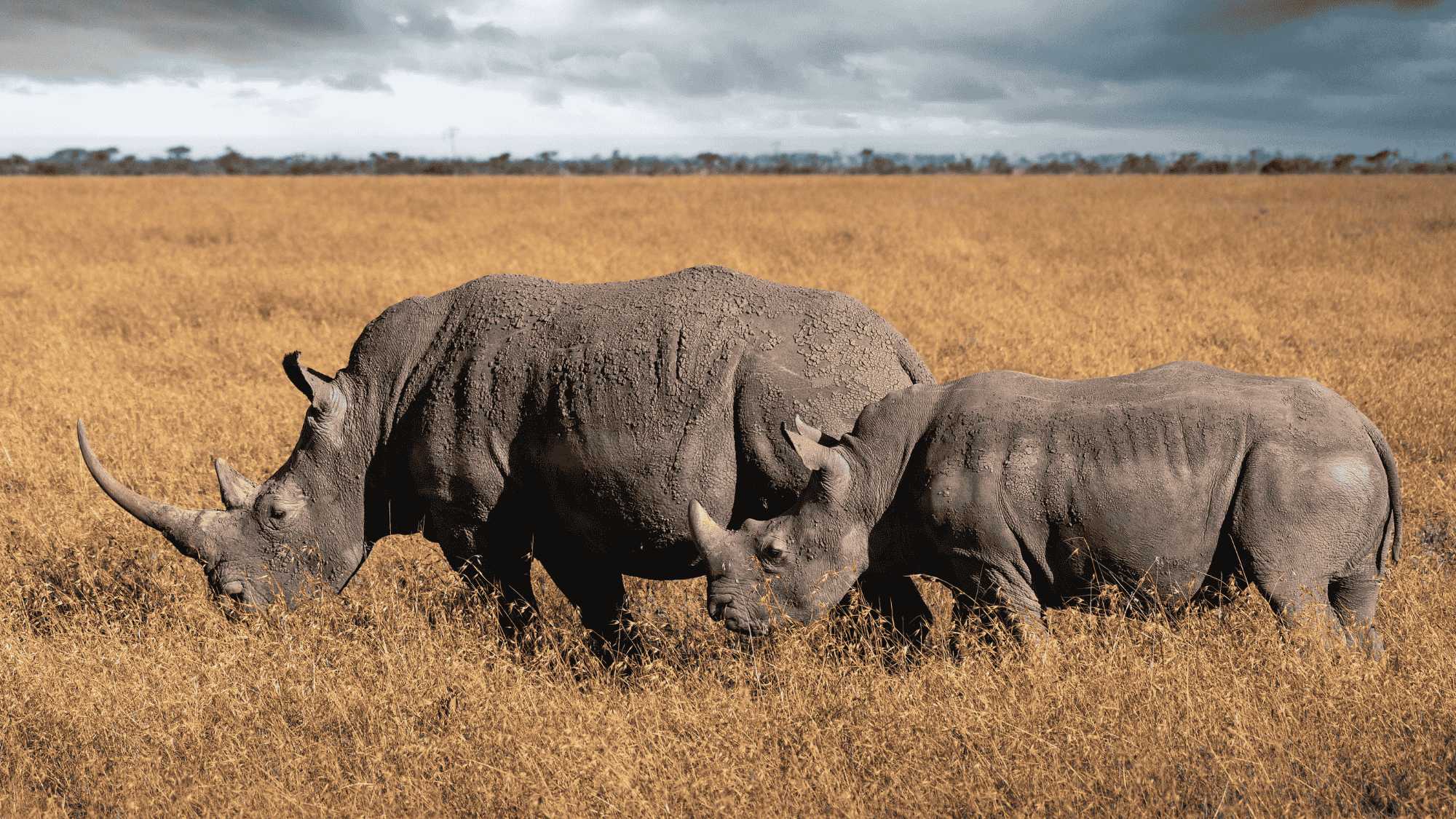
- Black and white rhinos grazing in open plains, often visible for long stretches
- Rothschild’s giraffes moving through acacia woodland
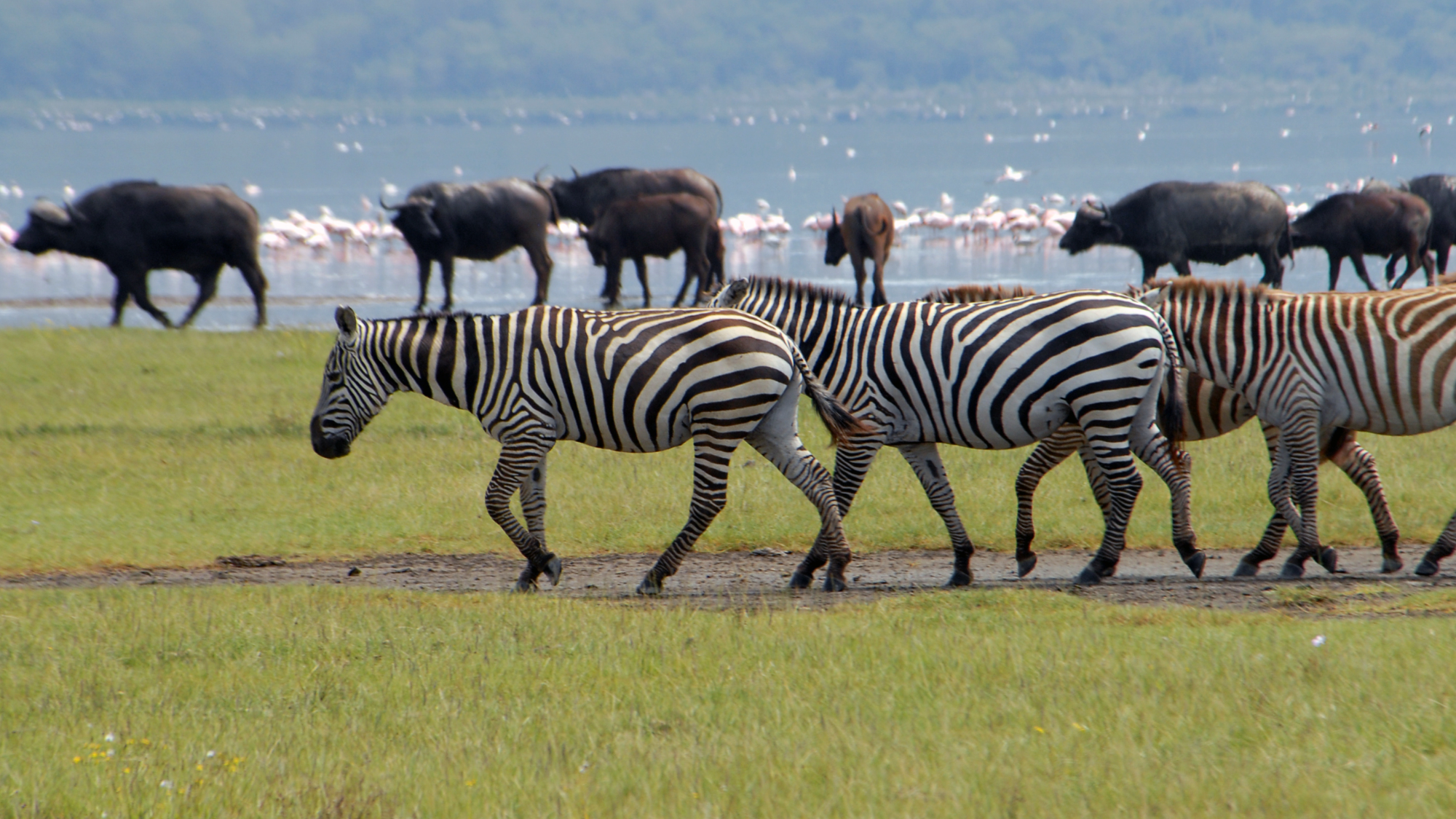
- Buffalo herds, zebra, impala, and waterbuck are scattered across the grassland
- Lions resting in shade near rocky outcrops and leopards moving quietly through wooded zones
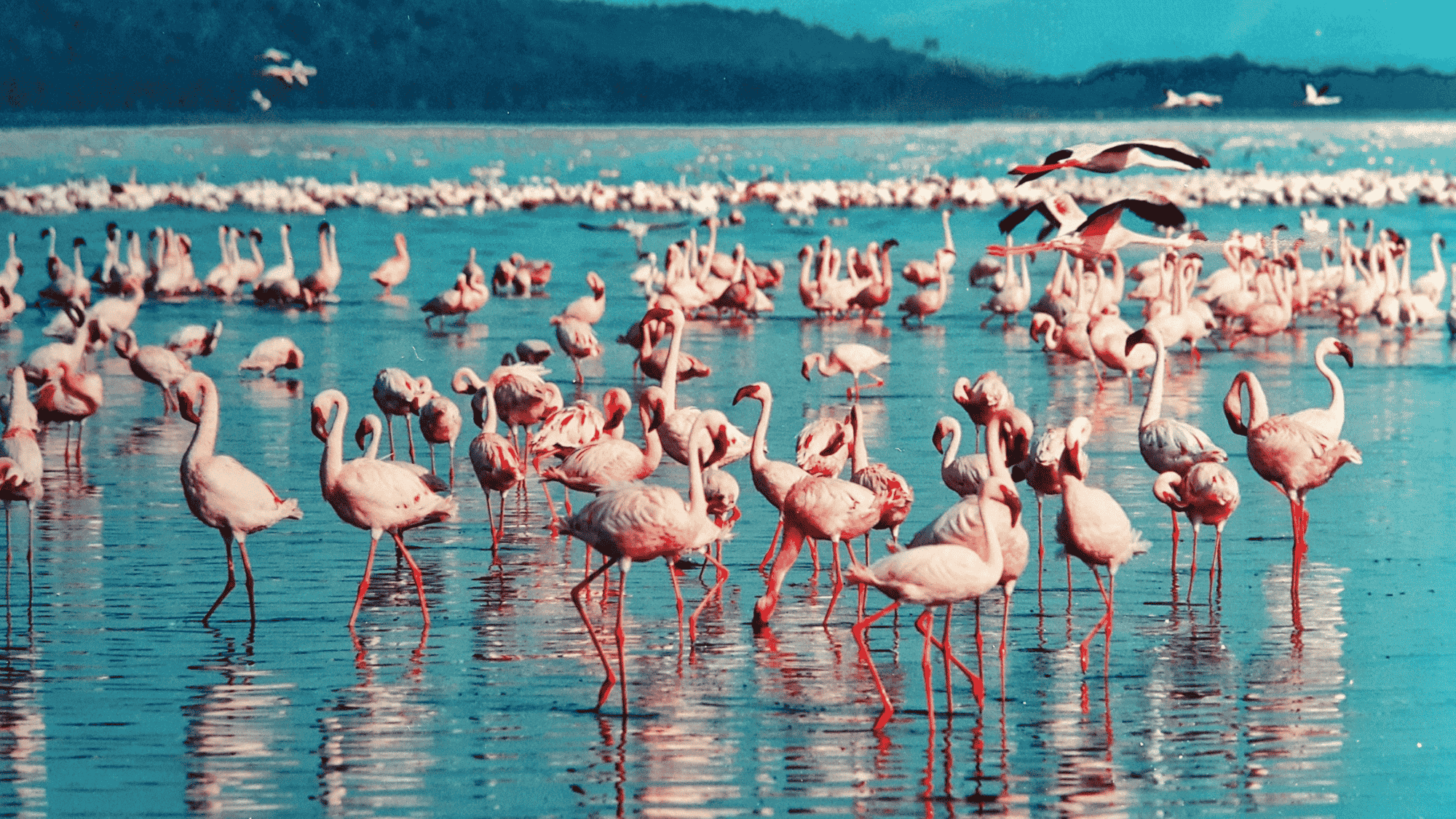
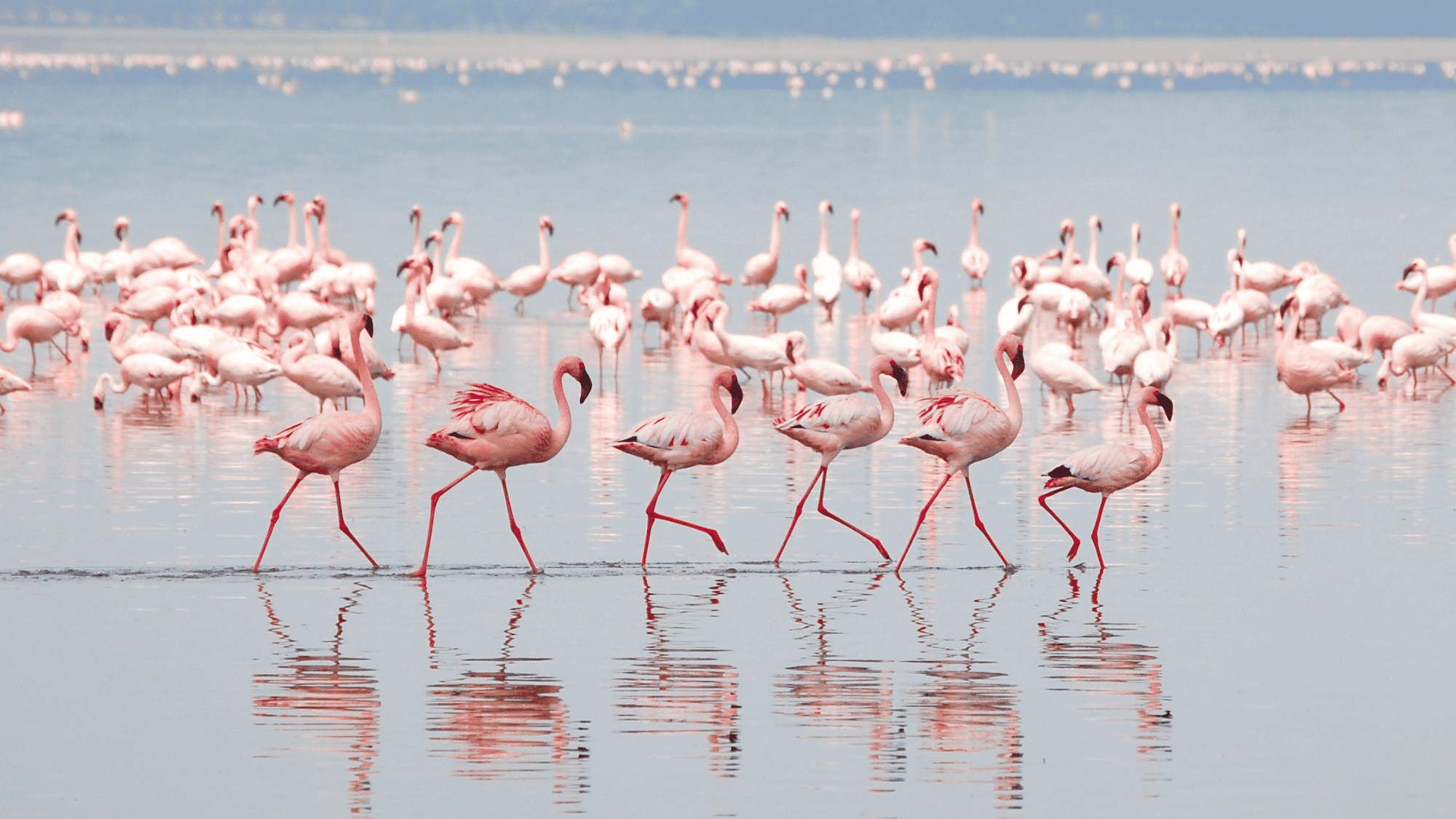
Flamingos gather along the lake edge when water and algae conditions align, sometimes forming vast pink bands that stretch across the shoreline. Their numbers fluctuate, making every visit visually distinct.
The Feel of the Park
This is not a high-speed safari. It is observational and atmospheric:
Strong contrast between the stillness of the lake and the slow movement of large mammals
Cool mornings with soft light and long shadows
Open plains where animals are visible at a distance
Quiet pauses near water as birds gather and disperse
From fish eagles to flamingos, an extraordinary convergence of avian life
Birdlife is the connective tissue between Nakuru and Naivasha. Together, the lakes support over 450 recorded bird species, making this one of Kenya’s most important birding regions.
Where Birdwatching Happens
- Lake Nakuru: alkaline lake shores, marshes, river deltas, escarpment cliffs
- Lake Naivasha: freshwater lake margins, papyrus swamps, acacia forests, flooded grasslands
The contrast between alkaline and freshwater environments creates overlapping habitats that attract resident, migratory, and seasonal species.
What You See
At Lake Nakuru:
- Lesser and greater flamingos feeding in shallow water
- Pelicans moving in synchronized formations
- Herons, storks, ibises, and avocets along marsh edges
- Raptors soaring above cliffs, including eagles and hawks
At Lake Naivasha:
- African fish eagles calling from treetops
- Kingfishers diving from papyrus stands
- Cormorants drying wings along shoreline branches
- Jacanas walking across floating vegetation
Bird activity changes hour by hour — early mornings and late afternoons are particularly active, with constant movement between water, sky, and vegetation.
The Experience of Birding Here
Birdwatching is immersive rather than static:
- You stop frequently, listening as much as watching
- Movement patterns reveal feeding and territorial behavior
- The air feels alive with calls, wingbeats, and motion
This experience appeals equally to seasoned birders and first-time observers because diversity is immediate and visible.
Glide past hippos and birdlife at water level
Lake Naivasha offers a completely different rhythm from land-based safaris. As a freshwater lake, it supports dense vegetation, floating papyrus, and abundant aquatic life.
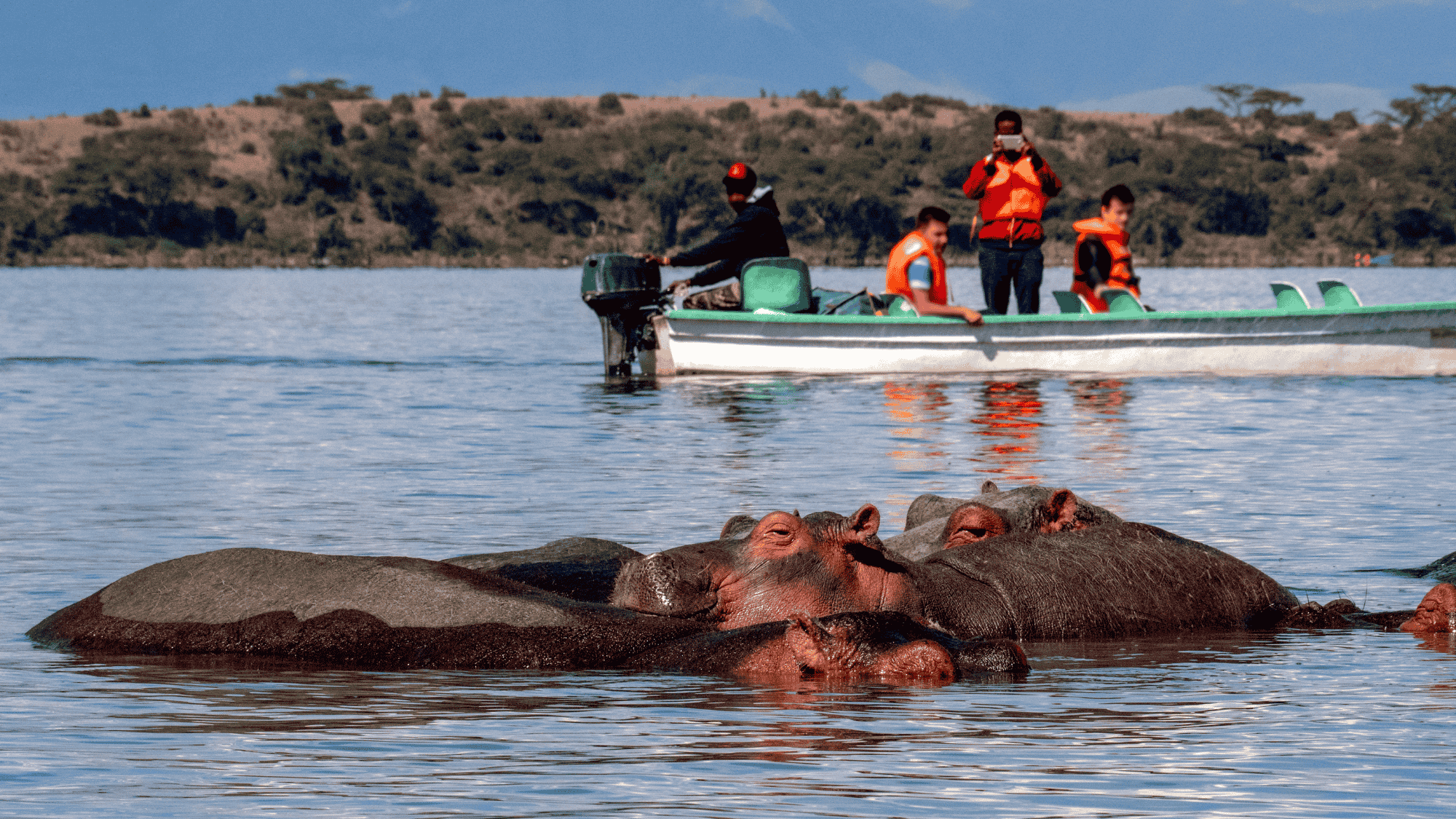
Boat safaris bring you into the ecosystem rather than observing it from above.
Where the Experience Takes Place
Boat excursions launch from the shores of Lake Naivasha, moving slowly along the lake edge, through channels of vegetation, and into open water where wildlife gathers.
The shoreline constantly changes — open water gives way to papyrus corridors, submerged trees, and grazing lawns.
What Happens on the Water
As the boat moves quietly:
- Hippos surface and submerge in rhythmic patterns, often close to the boat
- Fish eagles swoop low, scanning the water before diving
- Giraffes, zebras, and antelope graze along the shoreline
- Cormorants and herons nest in lakeside trees
Because the boat sits at water level, distances feel compressed. Wildlife interactions feel close, immediate, and visceral.
The Physical Sensation
- Gentle rocking of the boat
- Water sounds replacing engine noise
- Cool air rising off the lake
- The feeling of moving through an active, breathing environment
Boat safaris are calm but alert — quiet, attentive, and deeply engaging.
Travel Style & Logistics
- Easy access by road from Nairobi
- Best experienced over multiple days
- Early mornings and late afternoons offer peak activity
- Accommodation ranges from lodges to lakeside camps
The pace is unhurried but full — days are shaped by light, wildlife movement, and weather.
Who This Experience Is Best For
This combined experience suits travelers who:
- Enjoy layered, ecosystem-based travel
- Appreciate wildlife beyond big-game checklists
- Love birds, water landscapes, and photography
- Prefer immersive observation over speed
The Lasting Impact
Lake Nakuru and Lake Naivasha reveal how water shapes life — chemically, biologically, and culturally. You leave with a deeper understanding of interconnected ecosystems and a sharpened awareness of movement, sound, and stillness in nature.
This is not one experience.
It is a conversation between land, lake, and sky.