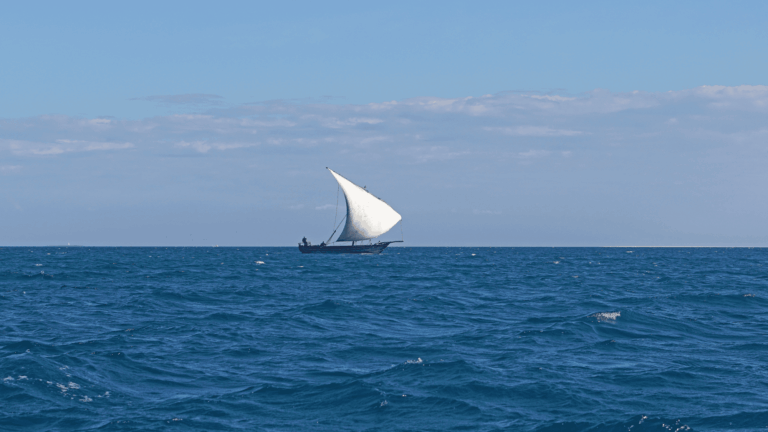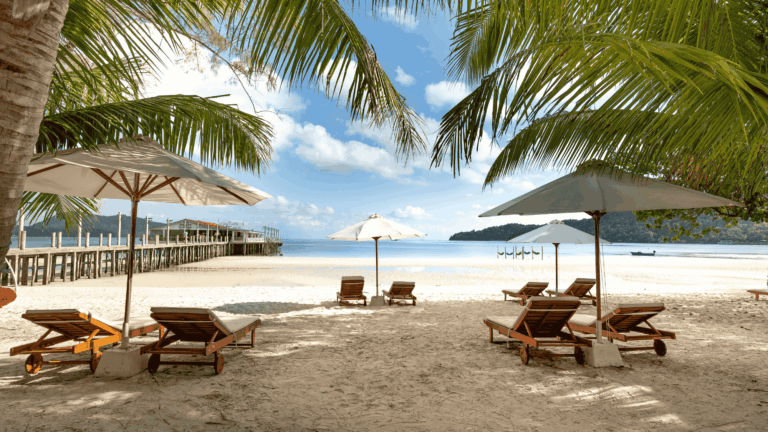
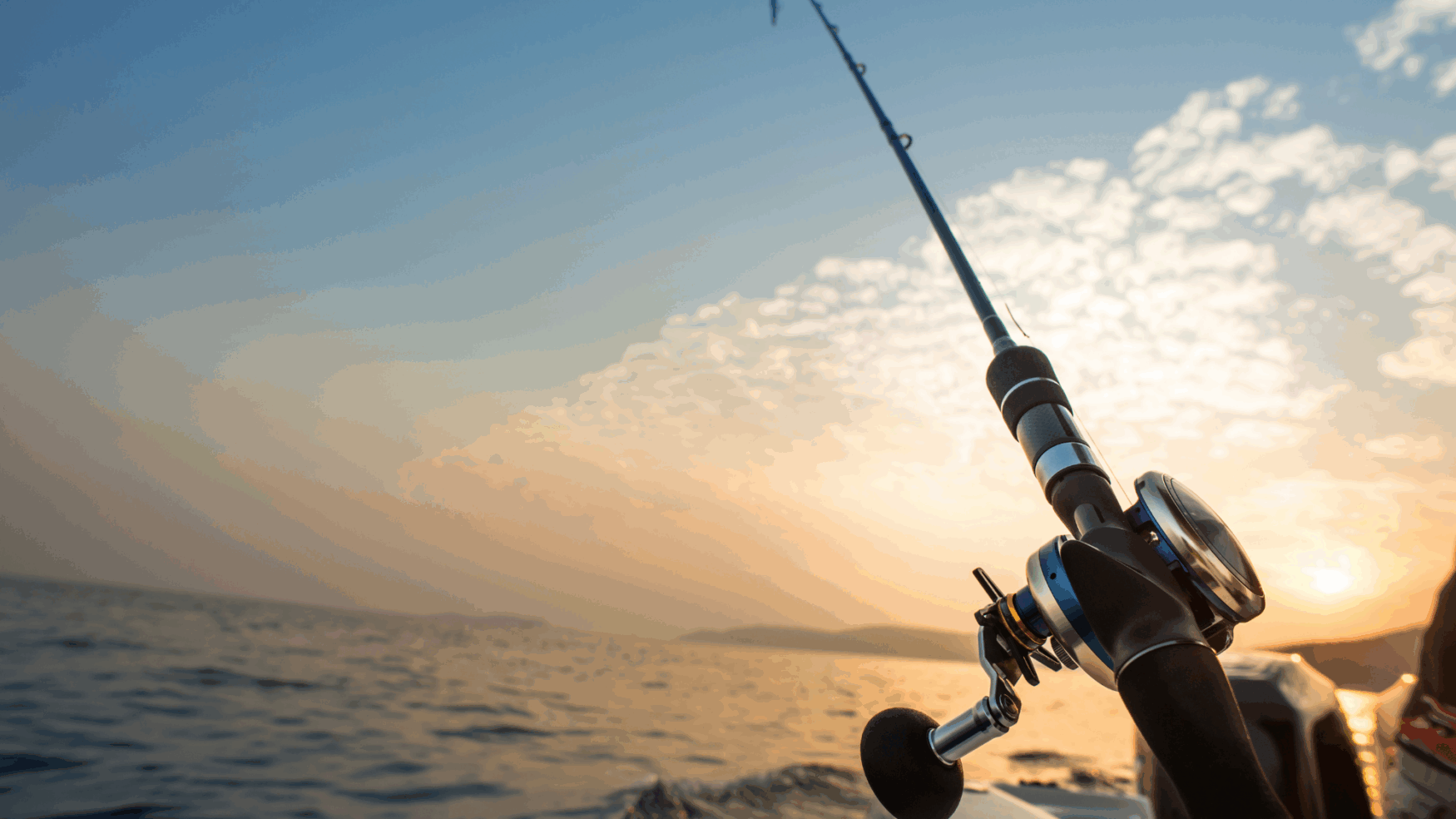
Along Kenya’s coast, fishing villages are living systems governed by the ocean. Daily life follows tides rather than clocks, seasons rather than schedules. Boats, nets, winds, and moon phases dictate when people move, work, rest, and gather.
This experience offers close, grounded access to coastal communities in Lamu, Diani, and Watamu, where fishing is not only an occupation but a cultural foundation that shapes food, architecture, language, and social life.
Where the Experience Takes Place
Lamu Archipelago
Traditional Swahili fishing villages scattered across Lamu Island and surrounding islets. Narrow sandy paths, coral-stone houses, wooden dhows pulled onto shore, and tidal channels define daily movement.
Diani Coast
Small fishing communities located just beyond resort zones, where traditional practices continue alongside modern pressures. Early mornings and late afternoons are the most active periods.
Watamu & Malindi Marine Area
Villages bordering marine parks and coral reefs, where fishing practices are closely tied to conservation zones, reef health, and seasonal fish migration.
Each location offers a slightly different expression of coastal life, shaped by geography, reef systems, and historical trade routes.
The Communities You Encounter
Fishing villages along the coast are predominantly Swahili and Mijikenda communities, with deep cultural ties to the Indian Ocean.
You encounter:
- Fishermen and boat builders
- Net makers and fish traders
- Women managing drying racks, markets, and household economies
- Elders who track seasons, winds, and tides through oral knowledge
Islamic traditions, Swahili language, and Indian Ocean trade history influence daily life, etiquette, and social structure.
What a Typical Day Looks Like
Early Morning: Before the Heat
Activity begins before sunrise.
Fishermen prepare boats and nets while the tide is favorable. Dhows and small wooden boats are pushed into shallow water. Some crews head out for hours, others for shorter nearshore trips depending on conditions.
You may:
- Walk the shoreline as boats depart
- Observe net preparation and knotting techniques
- Learn how tides and moon phases influence fishing decisions
The coast feels quiet but purposeful.
Midday: Return, Sorting & Trade
As boats return, the shoreline becomes active.
Fish are unloaded, sorted, and distributed quickly:
- Some are sold immediately to traders
- Others are cleaned and laid out to dry
- Smaller catches are taken home for family meals
You observe negotiations, weighing, and pricing — fast, practiced, and efficient. Nothing is wasted.
Afternoon: Craft, Repair & Community Life
As heat builds, movement slows.
You experience:
- Boat maintenance and repair
- Net mending done by hand
- Fish drying on raised racks
- Daily household routines unfolding nearby
Children move between tasks and play. Conversations stretch. The ocean remains in constant view.
Evening: Tide, Light & Gathering
As temperatures drop and the tide shifts again, activity resumes.
Boats are repositioned. Nets are checked. Some crews prepare for night fishing. Others gather to talk, pray, or rest.
Sunsets are unhurried. The pace of the village settles.
Fishing Practices & Knowledge
Fishing methods vary by location and season, including:
- Hand lines and nets
- Small sail-powered dhows
- Reef and nearshore fishing
- Tidal trapping techniques
Knowledge is passed through observation and repetition. Fishermen read:
- Water color
- Wind direction
- Wave patterns
- Bird movement
This expertise is subtle, precise, and deeply respected.
Food, Culture & Coastal Life
Fish shapes daily meals and social life.
You encounter:
- Freshly grilled fish
- Simple coastal stews
- Coconut-based dishes
- Shared meals eaten communally
Food preparation is efficient, practiced, and deeply tied to what the sea provides that day.
The Sensory Experience
This experience is calm but absorbing.
You feel:
- Salt air and steady coastal breezes
- Sand underfoot and warm water at the shore
- The rhythm of waves marking time
- The quiet focus of skilled, repeated work
The thrill comes from closeness and continuity — watching knowledge in action, unchanged in its essentials for generations.
Travel Style & Logistics
- Visits are timed around tides and fishing schedules
- Travel involves short walks, boat rides, and village paths
- Experiences are guided by local hosts and interpreters
- Duration can range from a few hours to a full day
This experience integrates easily with coastal stays.
What Travelers Should Be Prepared For
- Early mornings or late afternoons
- Respectful dress in village settings
- Sand, sun, and exposure to heat
- Observing without interrupting work rhythms
Curiosity and attentiveness enhance the experience.
Who This Experience Is Best For
This experience suits travelers who:
- Enjoy slow, observational travel
- Are interested in food systems and craft
- Appreciate everyday life as cultural expression
- Want context beyond beach leisure
It is especially rewarding for photographers, writers, and culturally curious travelers.
The Lasting Impact
Local fishing villages reveal a way of life shaped by patience, skill, and intimate knowledge of the sea.
You leave with:
- A deeper understanding of coastal culture
- Respect for artisanal fishing practices
- A sense of how communities live with tides rather than against them
This is coastal life at its most essential — steady, skilled, and enduring.